If you’re looking to elevate your culinary game, understanding the tools you use is paramount. And when it comes to fundamental kitchen workhorses, the saucepan stands out. Specifically, a tri-ply stainless steel saucepan isn’t just another pot; it’s a meticulously engineered piece of cookware designed to bring efficiency and superior results to your everyday cooking. This isn’t about fancy bells and whistles; it’s about solid, dependable performance that makes a noticeable difference, from simmering delicate sauces to boiling pasta with precision.
The Evolution and Enduring Appeal of Stainless Steel Cookware
Stainless steel has been a kitchen staple for decades, revered for its durability, corrosion resistance, and sleek appearance. However, early stainless steel pots had a drawback: they weren’t the best at conducting heat evenly. This often led to “hot spots” where food would stick or burn, and “cold spots” that slowed down cooking. Imagine trying to make a delicate hollandaise in a pan that heats unevenly – a recipe for disaster!
This challenge led to an ingenious innovation: tri-ply construction. The concept of bonding different metals together to harness their individual strengths revolutionized stainless steel cookware. By sandwiching a highly conductive core, typically aluminum or copper, between two layers of robust stainless steel, manufacturers created a pan that offers the best of both worlds: the non-reactive, durable surface of stainless steel and the exceptional heat distribution of the core material. The Tri Ply Stainless Steel Saucepan quickly became a standard for home cooks and professional chefs alike, addressing the thermal inefficiencies of traditional stainless steel while maintaining its beloved qualities.
Unpacking the Layers: What Makes Tri-Ply So Special?
The term “tri-ply” literally means “three layers,” and it refers to the specialized construction that gives these saucepans their superior performance.
The Anatomy of a Tri-Ply Saucepans
At its heart, a tri-ply saucepan consists of:
- Outer Layer (Stainless Steel): This is the exterior layer that comes into contact with your stovetop. It’s typically magnetic stainless steel, making the saucepan compatible with induction cooktops, in addition to gas and electric. This layer provides durability and an attractive finish.
- Core Layer (Aluminum or Copper): This is the secret sauce! Aluminum is an excellent heat conductor, ensuring heat spreads rapidly and evenly across the bottom and up the sides of the saucepan. Copper offers even more superior conductivity and responsiveness to temperature changes, though it often comes at a higher price point. This core eliminates hot spots, ensuring your food cooks uniformly.
- Inner Layer (Stainless Steel): This is the cooking surface that interacts with your food. It’s usually 18/8 or 18/10 stainless steel, known for its non-reactive properties. This means it won’t leach metals into your food or alter its flavor, making it ideal for acidic ingredients like tomato sauces or lemon-based dishes. It’s also incredibly easy to clean and maintain.
This layered approach ensures that heat is not only generated at the bottom but also travels up the sides, enveloping your food in consistent warmth. This feature is crucial for dishes that require gentle, even heating, like custards, rice, or delicate sauces.
Common Types and Variations
While the core tri-ply concept remains, you’ll find variations in specific designs and features:
- Encapsulated Base vs. Fully Clad: Some saucepans only have the tri-ply construction at the base (encapsulated base), while others (fully clad) extend the layers all the way up the sides. Fully clad tri-ply saucepans offer even more uniform heating throughout the entire pan, which is particularly beneficial for slow simmering and reducing liquids.
- Lid Types: From tempered glass lids that allow you to monitor cooking without lifting, to solid stainless steel lids that create a tighter seal and retain more heat, the choice often comes down to personal preference.
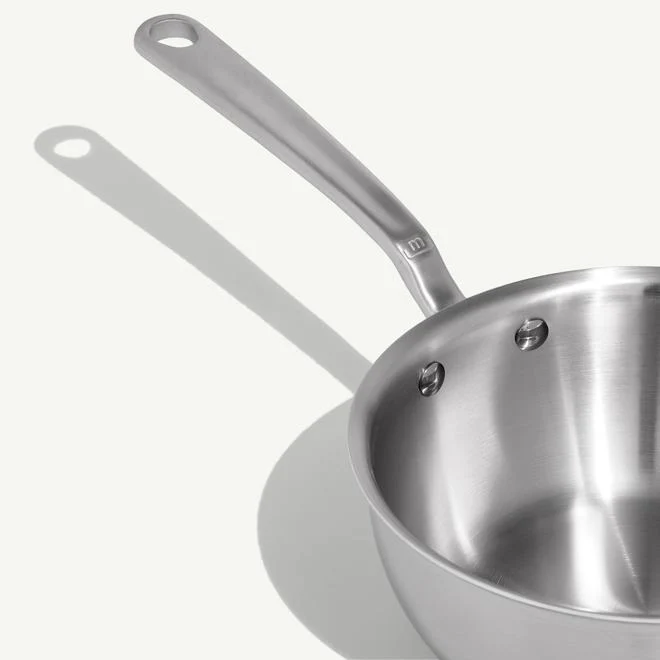
- Handle Designs: Ergonomic, stay-cool handles are a key feature to look for, often made from riveted stainless steel to ensure durability and a secure grip.
The Advantages and Considerations of Tri-Ply Stainless Steel
Choosing the right cookware is a balance of benefits and potential drawbacks. Understanding these will help you decide if a tri ply stainless steel saucepan is the right fit for your kitchen.
Unbeatable Advantages
- Exceptional Heat Distribution: This is the primary selling point. The conductive core eliminates hot spots, preventing burning and sticking in localized areas, which is perfect for delicate tasks.
- Durability and Longevity: Stainless steel is incredibly robust. It resists dents, scratches, and corrosion, meaning a well-cared-for tri-ply saucepan can last for decades.
- Non-Reactive Cooking Surface: Unlike cast iron or aluminum, stainless steel won’t react with acidic foods, ensuring the flavor of your dish remains pure and untainted.
- Versatility: Tri-ply saucepans are safe for all stovetops, including induction, and are typically oven-safe to high temperatures (check manufacturer’s specifications). This means you can start a dish on the stove and finish it in the oven seamlessly.
- Easy to Clean and Maintain: The smooth stainless steel surface is non-porous and resistant to staining. A simple scrub often does the trick, and many are dishwasher safe.
- Aesthetically Pleasing: Their polished or brushed finish brings a professional and clean look to any kitchen.
What to Keep in Mind
- Initial Cost: Tri-ply stainless steel saucepans tend to be more expensive than single-ply stainless steel or aluminum pans. However, their longevity often makes them a worthwhile investment in the long run.
- Weight: The multi-layered construction makes these saucepans heavier than their single-ply counterparts. This can be a minor consideration for some users.
- Not Naturally Non-Stick: While good heat distribution helps prevent sticking, stainless steel is not inherently non-stick like Teflon or ceramic coatings. You’ll need to use proper cooking fats and techniques (like preheating the pan correctly) to prevent food from adhering.
“A truly great saucepan is like a reliable friend in the kitchen,” says Chef Evelyn Reed, a culinary consultant with decades of experience. “Tri-ply stainless steel offers that consistent, trustworthy performance that lets you focus on the cooking, not the cookware.”
Your Guide to Choosing the Perfect Tri-Ply Stainless Steel Saucepans
With so many options on the market, selecting the ideal tri ply stainless steel saucepan can seem daunting. Here’s what to look for to ensure you make an informed decision:
- Size Matters: Consider what you’ll primarily use it for. A 1-quart saucepan is great for heating milk or single servings, while a 2-quart or 3-quart is more versatile for sauces, grains, and vegetables. Larger 4-quart or 5-quart pots are excellent for soups, pasta, or batch cooking.
- Fully Clad vs. Encapsulated Base: For superior performance and even heating up the sides, opt for a fully clad saucepan where the tri-ply layers extend from the base all the way to the rim. If budget is a concern, an encapsulated base is still a significant upgrade over single-ply.
- Core Material: Aluminum is common and performs excellently. Copper cores offer slightly faster and more responsive heating but come at a premium.
- Handle Comfort and Attachment: Look for sturdy, ergonomically designed handles that stay cool on the stovetop. Riveted handles are generally more durable and secure than welded ones.
- Lid Fit: A tight-fitting lid is essential for retaining moisture and heat, crucial for simmering and steaming. Consider whether you prefer a solid or glass lid.
- Pouring Rim: A flared rim (also known as a drip-free rim) can make pouring liquids much cleaner and easier, preventing spills down the sides of the pan.
- Induction Compatibility: If you have an induction cooktop or plan to get one, ensure the outer layer of stainless steel is magnetic (often indicated by 18/0 stainless steel or specifically stated as “induction compatible”).
Mastering Care and Cleaning for Your Tri-Ply Saucepans
Taking care of your tri ply stainless steel saucepan will ensure it remains a shining star in your kitchen for years.
Best Practices for Use:
- Preheat Properly: For best results and to minimize sticking, preheat your saucepan over medium heat for a minute or two before adding oil and then your food.
- Use Appropriate Heat: Stainless steel conducts heat very well. You often won’t need to cook on high heat, especially with a tri-ply construction. Medium heat is usually sufficient for most tasks.
- Avoid Extreme Temperature Changes: Do not plunge a hot pan into cold water, as this can cause warping over time. Let it cool naturally before cleaning.
Cleaning and Maintenance Tips:
- Wash Promptly: After cooling, wash your saucepan with warm, soapy water and a soft sponge or cloth.
- Tackling Stuck-On Food: If food is stuck, fill the saucepan with warm water and a little dish soap, let it soak for 15-30 minutes, then scrub. For stubborn bits, you can gently simmer water in the pan for a few minutes to loosen residue.
- Removing Stains and Discoloration:
- “Heat Tint” (Rainbow Stains): These harmless discolorations are caused by minerals in water and high heat. A quick wipe with white vinegar or a specialty stainless steel cleaner will usually remove them.
- Burnt-On Food: For serious burns, a paste of baking soda and a little water, left to sit overnight, can work wonders. Then scrub gently.
- Avoid Abrasive Cleaners: Steel wool or harsh scouring pads can scratch the surface of your saucepan. Stick to softer sponges or nylon scrubbers.
- Dishwasher Safe (Usually): Most tri-ply stainless steel saucepans are dishwasher safe, but hand washing is often recommended to maintain their shine and prolong their life.
Tri-Ply Stainless Steel vs. Other Cookware Materials
Understanding how tri ply stainless steel saucepan stacks up against other common cookware materials can help you appreciate its unique position in your kitchen.
| Feature | Tri-Ply Stainless Steel Saucepans | Cast Iron Saucepans | Non-Stick Saucepans | Copper Saucepans (Unlined) |
|---|---|---|---|---|
| Heat Distribution | Excellent, very even due to core layer | Good, but takes longer to heat, retains heat well | Varies, often aluminum base, can have hot spots | Exceptional, very responsive to temperature changes |
| Durability | Extremely durable, resistant to dents and scratches | Very durable, lasts generations, but can rust | Coating wears off over time, easily scratched | Durable, but tarnishes, can dent if thin |
| Reactivity | Non-reactive | Reactive with acidic foods (can leach iron) | Non-reactive (coating) | Reactive with acidic foods, not suitable for direct cooking |
| Maintenance | Easy to clean, can be dishwasher safe (check) | Requires seasoning, careful washing, can rust | Gentle washing, no metal utensils | Requires polishing, not dishwasher safe |
| Versatility | All stovetops (including induction), oven-safe | All stovetops (including induction), oven-safe | Limited oven-safe temps, not always induction compatible | All stovetops (not induction unless special base), not always oven-safe |
| Ideal Uses | Sauces, soups, grains, reducing, boiling, steaming | Searing, frying, slow cooking | Eggs, delicate fish, sticky foods | Precise temperature control for delicate sauces (often lined for cooking) |
Elevating Your Cooking: Dishes and Techniques Perfect for Tri-Ply
The consistent, even heat of a tri ply stainless steel saucepan makes it an indispensable tool for a variety of cooking tasks.
- Perfect Sauces: From creamy béchamel to rich tomato marinara, the even heating prevents scorching and ensures smooth, lump-free results. It’s ideal for reductions where precise temperature control is key.
- Fluffy Grains: Cooking rice, quinoa, or other grains benefits immensely from uniform heat. This prevents burning at the bottom while the top remains undercooked, yielding perfectly cooked, separate grains every time.
- Delicate Custards and Puddings: Dishes like crème anglaise or polenta require gentle, consistent heat to thicken without curdling or sticking. A tri-ply saucepan provides just that.
- Blanching and Steaming Vegetables: The quick and even heating is great for bringing water to a rapid boil for blanching or for maintaining a steady steam for perfectly tender-crisp vegetables.
- Reheating Leftovers: Reheating soups, stews, or gravies evenly without scorching the bottom is a breeze in a tri-ply saucepan, often superior to a microwave for texture and flavor.
Embrace techniques like building layers of flavor in your sauces, starting with a sautéed aromatic base directly in the saucepan, then deglazing with wine or broth, and finally simmering to perfection. The tri-ply construction ensures these steps flow smoothly and efficiently.
Frequently Asked Questions about Tri-Ply Stainless Steel Saucepans
Q: Is tri-ply stainless steel truly non-stick?
A: No, tri-ply stainless steel is not inherently non-stick. However, its excellent heat distribution significantly reduces sticking when used correctly with proper fats and preheating.
Q: Can I use metal utensils in a tri-ply stainless steel saucepan?
A: Yes, stainless steel is highly durable and generally safe for use with metal utensils without fear of scratching or damaging the cooking surface, unlike non-stick coatings.
Q: Why does my tri-ply saucepan sometimes get rainbow stains?
A: These “heat tint” or “rainbow stains” are common and harmless. They’re caused by a thin layer of oxidized chromium from minerals in water reacting to heat. A quick wipe with white vinegar or lemon juice will easily remove them.
Q: Are tri-ply stainless steel saucepans oven safe?
A: Most tri-ply stainless steel saucepans are oven safe, often to high temperatures (e.g., 500°F or 260°C). Always check the manufacturer’s specific guidelines, especially regarding handles and lids, as some components might have lower temperature limits.
Q: Is a fully clad tri-ply saucepan worth the extra cost?
A: For many home cooks and professional chefs, a fully clad tri-ply saucepan is worth the investment. The even heating extends up the sides of the pan, providing superior control for simmering, reducing, and cooking dishes that require thorough, consistent heat from all directions.
Final Thoughts on Your Kitchen Investment
In the bustling world of kitchen gadgetry, the tri ply stainless steel saucepan stands as a testament to thoughtful design and enduring utility. It’s not about fleeting trends or single-use items; it’s about investing in a foundational piece of cookware that will reliably serve you through countless meals, from simple weekday dinners to elaborate holiday feasts. By understanding its construction, appreciating its advantages, and knowing how to care for it, you’re not just buying a saucepan; you’re acquiring a versatile partner that enhances your cooking, brings out the best in your ingredients, and ultimately makes your time in the kitchen more enjoyable and successful. It’s an investment in quality that pays dividends in every delicious dish you create.