Ever found yourself juggling a hot pot of pasta and a clunky colander, risking a messy spill or a steamed-up face? You’re not alone. Thankfully, kitchen innovation has brought us a game-changer: the Stainless Steel Saucepan With Strainer Lid. This brilliant piece of cookware isn’t just a pot; it’s a statement of efficiency, durability, and smarter cooking. At Bếp Inox Hoàn Hảo, we believe in empowering your culinary journey with the best tools, and this saucepan truly exemplifies that philosophy. It’s designed to streamline your kitchen tasks, making everything from boiling vegetables to preparing a delicate sauce a breeze.
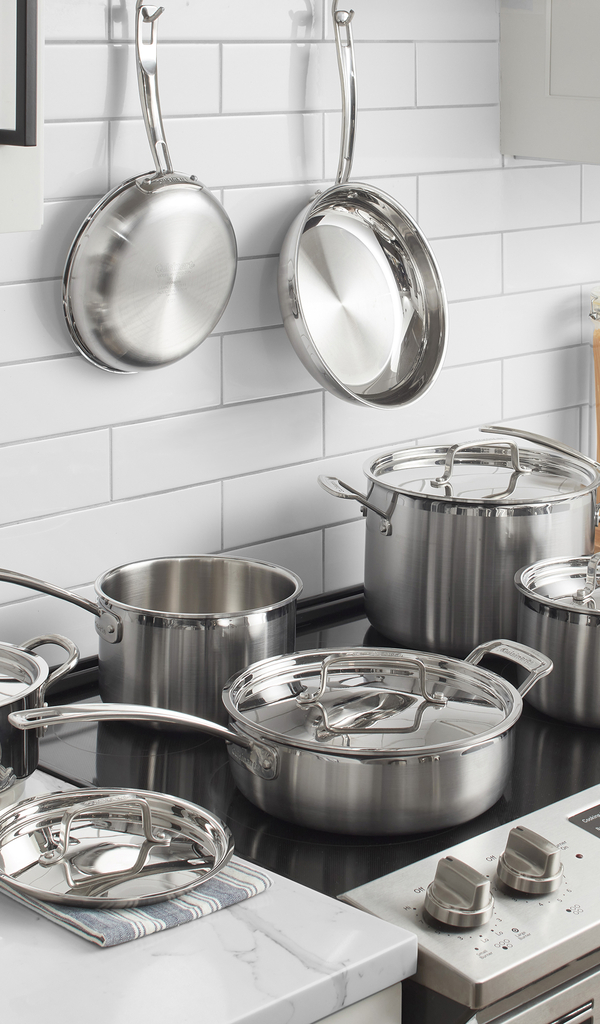
The Evolution of Cookware: A Journey to Smart Straining
The humble saucepan has been a kitchen staple for centuries, evolving from basic metal pots over open flames to sophisticated multi-layered vessels compatible with modern cooktops. For generations, draining liquids meant transferring hot contents to a separate colander – an extra step, an extra dish to wash, and a potential hazard. The invention of the integrated strainer lid revolutionized this process. By incorporating perforations directly into the lid, often accompanied by convenient pour spouts on the pan’s rim, cooks could safely and easily drain liquids with a simple tilt. This thoughtful design improvement saves time, minimizes mess, and reduces kitchen clutter, marking a significant leap forward in cookware convenience.
Anatomy of Excellence: What Makes a Great Stainless Steel Saucepan with Strainer Lid?
Understanding the components of a high-quality stainless steel saucepan with a strainer lid is key to appreciating its value. It’s more than just a pot with holes; it’s a carefully engineered tool.
Premium Materials: The Core of Durability
Most top-tier stainless steel saucepans are crafted from 18/10 food-grade stainless steel. The “18/10” refers to the composition: 18% chromium for rust resistance and 10% nickel for a lustrous finish and enhanced durability. This specific alloy ensures your saucepan is robust, highly resistant to corrosion, and won’t react with acidic foods, keeping your meals pure and healthy.
Multi-Ply Construction: The Secret to Even Heat
While stainless steel is incredibly durable, it’s not the best conductor of heat on its own. This is where multi-ply construction comes into play. Many high-quality saucepans feature a “tri-ply” or “five-ply” design, meaning they consist of multiple layers of metal. Typically, this involves an aluminum or copper core sandwiched between layers of stainless steel. Aluminum and copper are excellent heat conductors, ensuring that heat spreads quickly and uniformly across the bottom and up the sides of the pan, eliminating hot spots and preventing food from burning in isolated areas. This intelligent design not only improves cooking performance but also saves energy.
The Ingenious Strainer Lid
The star of the show is, of course, the strainer lid. These lids often feature dual-sized straining holes on opposite sides, allowing you to drain anything from tiny rice grains to large pasta shapes without losing a single piece. Many lids are made from tempered glass, providing clear visibility of your cooking without needing to lift the lid and release precious steam. Some even come with a “Turn and Lock” feature, securing the lid firmly to the pot for extra safety during draining. Complementing the lid are well-designed pour spouts on the saucepan’s rim, making it easy to pour liquids precisely, whether you’re right-handed or left-handed.
Ergonomic Handles for Safety and Comfort
Consider the handles—they’re crucial for safety and ease of use. Look for “cool-touch” handles, often made from silicone-wrapped stainless steel, or sturdy cast handles that are wide and ergonomic, providing a firm, secure grip. Riveted handles are a mark of superior construction, ensuring a long-lasting and robust connection to the pot, preventing wobbles or loosening over time.
Smart Details for Enhanced Experience
Beyond the core features, many premium stainless steel saucepans with strainer lids include thoughtful additions. Internal measurement markings save you from using separate measuring cups, making portioning for soups and sauces effortless. And for those with modern kitchens, ensure your saucepan is induction-compatible, allowing it to work efficiently on all cooktop types.
Why Choose One? Unpacking the Benefits
The decision to invest in a stainless steel saucepan with strainer lid brings a host of advantages to your kitchen. It’s more than just an upgrade; it’s a simplification and enhancement of your daily cooking routine.
Unmatched Convenience
The primary benefit is undoubtedly the sheer convenience. Imagine boiling pasta or vegetables and, instead of fumbling for a separate colander, simply tilting the pot to drain the water directly into the sink. The integrated strainer lid and pour spouts eliminate extra steps and additional cleanup, freeing up valuable counter space and sink capacity.
Superior Durability & Longevity
Stainless steel is renowned for its strength. These saucepans are built to withstand the rigors of daily cooking, resisting dents, scratches, rust, and corrosion. With proper care, a high-quality stainless steel saucepan can last for decades, often outliving other types of cookware. This makes it a sustainable and cost-effective choice in the long run.
Even Heat Distribution for Perfect Results
Thanks to their multi-ply construction with aluminum or copper cores, these saucepans excel at heat management. They heat up quickly and distribute warmth uniformly across the cooking surface, preventing “hot spots” that can lead to unevenly cooked or burnt food. This precision allows for better control over your cooking, ensuring consistent and delicious results every time.
Health-Conscious Cooking
Unlike some non-stick alternatives that can degrade and potentially leach chemicals at high temperatures, stainless steel is a non-reactive and inert material. It doesn’t transfer flavors or chemicals into your food, making it a safe and healthy choice for all types of ingredients, even acidic ones. You can cook with peace of mind, knowing your meals are pure.
Versatility Across Cuisines
A stainless steel saucepan with a strainer lid is incredibly versatile. It’s perfect for boiling, simmering, and poaching. From making delicate sauces and gravies to cooking grains, noodles, and vegetables, or even simply warming milk, its functionality adapts to a wide array of recipes and cooking techniques. Many are also oven-safe and compatible with all heat sources, including induction, further expanding their utility.
Effortless Cleaning & Maintenance
The smooth, non-porous surface of stainless steel makes cleaning a breeze. Most of these saucepans are dishwasher safe, though handwashing with warm soapy water is often all that’s needed for everyday messes. This ease of maintenance ensures your saucepan remains pristine and ready for your next culinary creation without much fuss.
Your Buying Guide: Selecting the Perfect Strainer Saucepan
Choosing the right stainless steel saucepan with a strainer lid can feel overwhelming with so many options available. Here’s what to look for to ensure you make an informed decision that meets your cooking needs.
Material Grade and Ply Construction
Prioritize saucepans made from 18/10 food-grade stainless steel. This indicates a high-quality, durable, and corrosion-resistant material. Beyond the surface, investigate the ply construction. Tri-ply (three layers) or five-ply (five layers) with an aluminum or copper core is ideal for superior heat distribution and retention. Avoid thin, single-ply stainless steel, which can lead to scorching.
Lid Design & Functionality
Examine the strainer lid carefully. Are the straining holes effectively sized for different ingredients? Are there pour spouts on both sides of the rim for ambidextrous use? If it’s a glass lid, is it tempered for durability and heat resistance? Some lids offer a “turn and lock” mechanism for added security during draining, a feature that enhances safety and ease of use.
Size & Capacity
Saucepans come in various capacities, typically measured in quarts or liters. Consider your typical cooking needs:
- 1-2 quart: Ideal for warming sauces, melting butter, making single servings of oatmeal, or boiling small portions of vegetables.
- 3-4 quart: A versatile workhorse for family-sized portions of pasta, rice, soups, and larger batches of sauces.
- Larger capacities (e.g., 6-8 quart multipots): Great for larger families, entertaining, or preparing big batches of stock or soup.
Choose a size that aligns with the amount of food you usually prepare and fits comfortably on your stovetop and in your storage space.
Handle Comfort & Security
The handle is your connection to the hot pan, so comfort and security are paramount. Look for handles that are ergonomically designed for a comfortable, firm grip, even when the pan is full. “Cool-touch” handles, often made with silicone, are a great feature for safety. Ensure handles are securely riveted to the pot, as welded or screwed handles can sometimes loosen over time.
Compatibility with Your Cooktop
Most stainless steel saucepans are designed to work on gas, electric, and ceramic stovetops. However, if you have an induction cooktop, double-check that the saucepan specifically states “induction compatible.” This means it has a magnetic base, a crucial requirement for induction cooking.
Mastering Your Stainless Steel Saucepan: Usage, Care, and Cleaning
To get the most out of your stainless steel saucepan with strainer lid and ensure its longevity, a little knowledge goes a long way. Think of it as a trusted companion that thrives on good habits.
Best Practices for Cooking
- Preheating is Key: Always preheat your empty saucepan over medium heat for a minute or two before adding oil or food. This creates a more even cooking surface and helps prevent sticking.
- The Sizzle Test: To check if your pan is ready, drop a few water droplets into it. If they skitter and evaporate quickly, it’s ready. If they just sit there, it needs more time.
- Salt After Boiling: A common mistake is adding salt to cold water. This can lead to “pitting corrosion,” causing tiny, irreparable spots on the bottom of your pan. Always add salt to water once it has reached a rolling boil.
- Avoid High Heat for Preheating: While stainless steel can handle high heat, using it to preheat can lead to overheating, burning your food, and causing discoloration. Stick to medium heat for preheating.
- Bring Food to Room Temperature: Cold food is more likely to stick to a hot pan. Allow ingredients to come closer to room temperature before adding them to your saucepan.
Daily Cleaning Rituals
For everyday messes, cleaning your stainless steel saucepan is wonderfully straightforward.
- Cool Down First: Always allow your saucepan to cool completely before washing it. Submerging a hot pan in cold water can cause warping, which can affect its performance over time.
- Gentle Wash: Use warm water, a few drops of mild dish soap, and a soft sponge or cloth. Gently scrub in a circular motion to remove food residue and oil.
- Immediate Drying: To prevent unsightly water spots (caused by mineral deposits in tap water), dry the saucepan immediately with a clean tea towel.
- Dishwasher (Check First): While many stainless steel saucepans are dishwasher safe, frequent use can sometimes dull their shine or cause hard water stains. Refer to the manufacturer’s instructions.
Tackling Common Issues
Even with the best care, sometimes your saucepan needs a little extra attention.
- Stuck-on Food: Don’t scrape with metal utensils. Instead, fill the pan with hot soapy water, bring it to a boil on the stove, and then gently scrape with a wooden spoon or silicone spatula. For tougher spots, a paste of baking soda and water can work wonders.
- Water Spots and Mineral Deposits: If water spots appear, dampen the surface, sprinkle with baking soda, and rub with a moist sponge. For chalky white calcium buildup, boil a solution of 1 part white vinegar to 3 parts water in the pan, let it cool, then wash as usual.
- Heat Tint (Rainbow Stains): These harmless but aesthetically displeasing rainbow-colored stains are caused by overheating. Simply splash a little undiluted white vinegar into the pan and wipe it away with a soft sponge. The acidity of the vinegar neutralizes the oxidation that causes the tint.
- Burnt-on Messes: For truly stubborn burnt messes, a strong solution of boiling water and vinegar (or a specialized stainless steel cleaner like Bar Keepers Friend) can be very effective.
Storage Tips
Store your stainless steel saucepan with strainer lid in a dry place. If stacking, place a cloth or paper towel between pans to prevent scratches. Its ergonomic design often allows for efficient nesting, saving cupboard space.
Stainless Steel vs. The Rest: A Comparative Look
Understanding how stainless steel saucepans with strainer lids stack up against other popular cookware materials can help you appreciate their unique advantages.
Stainless Steel vs. Non-Stick
Non-stick pans offer unparalleled food release, which is great for delicate foods like eggs. However, their non-stick coating can be prone to scratching and degradation over time, especially with high heat or metal utensils. Stainless steel, on the other hand, is significantly more durable, can withstand higher temperatures, and won’t scratch easily, making it a long-term investment for a wider range of cooking tasks. While stainless steel may require a bit more fat or proper preheating to prevent sticking, it offers superior searing and browning capabilities.
Stainless Steel vs. Cast Iron
Cast iron is celebrated for its exceptional heat retention and ability to go from stovetop to oven, making it ideal for slow cooking and deep frying. However, it’s heavy, requires specific seasoning and maintenance to prevent rust, and is reactive with acidic foods. Stainless steel saucepans are lighter, easier to handle, non-reactive, and require much less specialized care, making them more versatile for everyday boiling, simmering, and straining tasks.
Stainless Steel vs. Copper
Copper cookware is a chef’s dream for its incredible thermal conductivity and precise temperature control. It heats up and cools down almost instantly. However, copper is expensive, requires diligent polishing to maintain its shine, and is highly reactive, often needing a tin or stainless steel lining. Stainless steel, especially multi-ply versions, offers excellent heat distribution at a more accessible price point, with significantly less maintenance and no reactivity concerns, making it a practical choice for most home cooks.
Culinary Adventures: Ideal Dishes for Your Straining Saucepan
The versatility of a stainless steel saucepan with a strainer lid makes it perfect for countless culinary creations. It’s truly a multi-tasker that will become your go-to pot.
Pasta & Grains
This is where the strainer lid truly shines! Boil spaghetti, macaroni, or any pasta shape, and with a quick tilt, drain the water directly. Similarly, it’s excellent for cooking rice, quinoa, or other grains, ensuring perfectly separated results without the fuss of transferring to a colander.
Steaming Vegetables
Many strainer lids have larger holes suitable for steaming. You can add a steamer basket insert (if available for your model) or simply use the lid to help steam vegetables perfectly crisp-tender. Broccoli, green beans, carrots, and potatoes become simple delights.
Soups & Sauces
Its even heat distribution and non-reactive surface make it ideal for simmering delicate sauces, gravy, or hearty homemade soups. The deep sides prevent splattering, and the material ensures no metallic taste interferes with your flavors.
Beyond the Basics
Think warming milk for hot chocolate, making custards, poaching eggs, blanching tomatoes, or even preparing small batches of jams and jellies. The possibilities are endless when you have such a versatile and convenient tool at your disposal.
Frequently Asked Questions (FAQ)
Are stainless steel saucepans with strainer lids dishwasher safe?
Most high-quality stainless steel saucepans are dishwasher safe, offering convenient cleanup. However, handwashing with warm soapy water is often recommended to maintain their lustrous finish and prevent water spots over time. Always check the manufacturer’s specific care instructions.
How do I prevent food from sticking to my stainless steel saucepan?
To prevent food from sticking, ensure your saucepan is properly preheated over medium heat before adding oil. Then, ensure the oil is hot before adding food. You can perform the “sizzle test” with a few water droplets to check the pan’s temperature. Also, allowing cold foods to come closer to room temperature before cooking can help.
What does “18/10 stainless steel” mean?
“18/10 stainless steel” refers to the alloy composition: 18% chromium and 10% nickel. Chromium provides excellent corrosion resistance, while nickel contributes to the material’s strength, durability, and a polished, lustrous finish, making it ideal for cookware.
Can I use my stainless steel saucepan with a strainer lid on an induction cooktop?
Yes, many stainless steel saucepans with strainer lids are induction compatible. To be sure, look for explicit labeling that states “induction compatible” or check if a magnet sticks firmly to the bottom of the pan.
How do I remove rainbow stains or heat tint from my stainless steel saucepan?
Rainbow stains, or heat tint, are caused by overheating and are harmless. They can be easily removed by applying a small amount of white vinegar directly to the affected area and wiping it with a soft cloth or sponge. The acidity helps to dissolve the oxidized layer causing the discoloration.
Conclusion
Choosing a stainless steel saucepan with strainer lid is a smart decision for any home cook looking to enhance their kitchen experience. Its innovative design offers unparalleled convenience, eliminating the need for a separate colander and streamlining your cooking process. Beyond this ingenious feature, its inherent durability, superior heat distribution thanks to multi-ply construction, and health-safe materials make it a workhorse you can rely on for years to come. With a little understanding of its construction and simple care practices, this saucepan will not only elevate your meals but also become a cherished, indispensable tool in your culinary arsenal. Embrace the efficiency and joy of cooking with this modern kitchen essential, and discover how Bếp Inox Hoàn Hảo empowers your passion for food.