Every bustling kitchen has its workhorses, the unsung heroes that shoulder the bulk of culinary tasks. Among them, the 4 qt stainless steel saucepan stands out as an indispensable tool, a true kitchen chameleon ready to tackle a myriad of cooking challenges. This isn’t just another pot; it’s a versatile, durable, and highly efficient companion designed to make your time in the kitchen more enjoyable and your dishes more successful. If you’ve ever wondered which piece of cookware offers the best blend of capacity, performance, and longevity, look no further than this essential item.
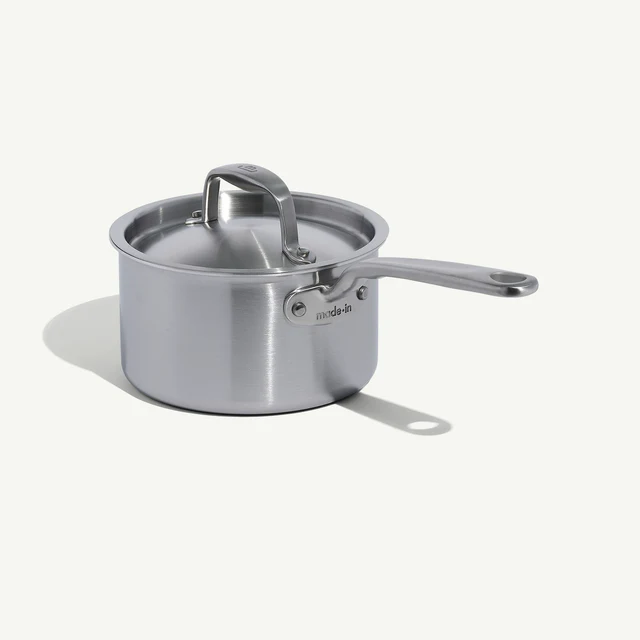
The Unsung Hero: Why a 4 Qt Stainless Steel Saucepan Belongs in Every Kitchen
Imagine a single pot that effortlessly handles a family-sized portion of pasta, a rich, simmering sauce, or a hearty batch of soup. That’s the power of a 4-quart stainless steel saucepan. Its generous capacity is ideal for preparing meals for 3-5 people, making it perfect for daily cooking or when you’re entertaining a few guests. Beyond its size, the inherent qualities of stainless steel — its non-reactivity, durability, and sleek appearance — elevate this saucepan from a mere utensil to a culinary cornerstone. It’s robust enough for high-heat tasks and gentle enough for delicate reductions, promising consistent results every time you reach for it.
A Deep Dive into Stainless Steel Saucepan Construction
The journey of stainless steel cookware in our kitchens is a fascinating one, evolving from basic pots to highly engineered vessels designed for optimal performance. Understanding its construction is key to appreciating the value a quality 4 qt stainless steel saucepan brings.
The Evolution of Cookware
Early cooking vessels were often cast iron or copper, prized for their heat properties but sometimes reactive or heavy. Stainless steel emerged as a superior alternative, offering incredible durability and a non-reactive surface, meaning it won’t impart metallic flavors to your food or react with acidic ingredients.
Understanding Cladding
The secret to a stainless steel saucepan’s exceptional performance lies in its “cladding.” This refers to the layers of different metals bonded together to create the pot’s body.
- Tri-Ply vs. 5-Ply: The most common types are tri-ply (three layers) and 5-ply (five layers). A typical tri-ply construction features a core of aluminum sandwiched between two layers of stainless steel. Aluminum is an excellent heat conductor, ensuring heat spreads quickly and evenly across the bottom and up the sides. Five-ply construction adds even more layers, often alternating aluminum and stainless steel, for enhanced heat distribution and retention, virtually eliminating hot spots.
- Fully Clad Construction: For the best performance, look for a “fully clad” 4 qt stainless steel saucepan. This means the multiple layers of metal extend not just across the bottom, but all the way up the sides of the pan. This ensures uniform heating throughout the entire pot, preventing scorching at the bottom while ingredients simmer gently along the sides.
Material Matters
The type of stainless steel used is also crucial. High-quality saucepans typically feature an 18/10 stainless steel interior. The “18/10” denotes 18% chromium and 10% nickel, making the surface highly resistant to rust, corrosion, and staining, while providing a pristine, non-reactive cooking surface. The exterior layer is often made of 400-series stainless steel, which is magnetic, making the saucepan compatible with induction cooktops.
Features That Make a Difference in Your 4 Qt Stainless Steel Saucepan
When choosing your ideal 4 qt stainless steel saucepan, several design elements can significantly impact your cooking experience.
Handles: Comfort and Control
A well-designed handle is more than just a grip; it’s about safety and ease of use.
- Stay-Cool Handles: Many premium stainless steel saucepans feature “stay-cool” handles, often designed with a hollow core or strategic angling to dissipate heat, allowing you to comfortably move the pan without oven mitts while cooking on the stovetop.
- Riveted Construction: Look for handles securely attached with sturdy rivets. This ensures a strong, long-lasting connection that won’t loosen over time.
- Helper Handles: Given the 4-quart size, a helper handle on the opposite side of the main handle is a fantastic feature. It provides extra leverage and stability, making it much easier and safer to lift and pour a full, heavy saucepan.
Lids: See-Through vs. Solid
The lid is not just a cover; it’s an integral part of the cooking process.
- Glass Lids: A transparent glass lid allows you to monitor your food without lifting it, helping to maintain consistent temperatures and prevent heat loss.
- Stainless Steel Lids: While they don’t offer visibility, stainless steel lids are incredibly durable and excellent at retaining heat, which can be beneficial for simmering dishes.
Thoughtful Design Elements
Small details often make a big difference.
- Flared Rims: A subtly flared rim design makes pouring liquids smooth and drip-free, preventing messy spills.
- Internal Measurement Markings: Some saucepans include convenient internal measurement markings, eliminating the need for separate measuring cups and streamlining your cooking process.
- Oven and Broiler Safe: Most high-quality stainless steel saucepans are oven safe to high temperatures (often up to 500-600°F) and broiler safe, allowing you to start a dish on the stovetop and finish it in the oven.
Induction Ready
Thanks to their magnetic 400-series stainless steel exterior, modern clad stainless steel saucepans are compatible with all stovetops, including induction, gas, electric, and ceramic glass. This universal compatibility ensures your investment will work with your current and future kitchen setup.
Advantages and Considerations for Using a 4 Qt Stainless Steel Saucepan
Like any tool, a 4 qt stainless steel saucepan comes with its own set of pros and cons. Understanding these helps you maximize its potential and manage expectations.
The Bright Side
- Durability and Longevity: Stainless steel is incredibly robust, resisting dents, scratches, and corrosion. With proper care, a good quality saucepan can last a lifetime.
- Non-Reactivity: It won’t react with acidic foods like tomatoes or wine, preserving the true flavor of your ingredients.
- Even Heating: Especially with clad construction, stainless steel provides excellent heat distribution, preventing hot spots and ensuring consistent cooking.
- Metal Utensil Safety: Unlike non-stick coatings, stainless steel can generally withstand metal utensils without damage (though soft silicone or wooden utensils are always a good practice to prevent minor surface scratches).
- Versatility: From boiling to simmering, braising to making sauces, this size handles a vast array of cooking tasks.
Things to Keep in Mind
- Potential for Sticking: Without proper preheating and oiling, food can stick to stainless steel. It requires a bit of learning, but once mastered, it’s easily overcome.
- Weight: Due to its layered construction, a 4-quart stainless steel saucepan can be heavier than its non-stick counterparts, especially when full. A helper handle can mitigate this.
- Initial Cost: Quality stainless steel cookware is an investment, often having a higher upfront cost than cheaper alternatives, though its longevity offers excellent value over time.
“A 4-quart stainless steel saucepan is the ultimate kitchen chameleon,” says Chef Anya Sharma, a culinary instructor with two decades of experience. “Its size and robust construction make it indispensable for everything from a family-sized pasta dinner to a delicate reduction.”
Your Guide to Choosing the Ideal 4 Qt Stainless Steel Saucepan
Navigating the options for a 4 qt stainless steel saucepan can feel overwhelming, but focusing on a few key factors will help you make the best choice.
Assessing Your Needs
Before you buy, consider your cooking habits. How often do you cook for a crowd? Do you make large batches of meal prep? Do you have ample storage space? A 4-quart saucepan is a significant piece of cookware, and ensuring it fits your lifestyle and kitchen layout is crucial.
Prioritizing Construction
This is arguably the most important factor. Always opt for fully clad construction (tri-ply or 5-ply) for superior heat distribution and cooking performance. This is where the true value lies.
Handle with Care (Literally)
Test the handles if possible. Do they feel comfortable and secure in your hand? For a 4-quart capacity, a helper handle is a game-changer for safety and ease of maneuverability, especially when the pot is full.
Lid Preference
Decide if you prefer the visibility of a glass lid or the pure durability and heat retention of a stainless steel lid. Both have their merits.
Budget vs. Investment
While it’s tempting to go for the cheapest option, remember that a high-quality stainless steel saucepan is a long-term investment. Cheaper options may warp, heat unevenly, or have flimsy handles. Consider your saucepan as a tool that will serve you for decades, making the initial investment worthwhile.
Care for Your 4 Qt Stainless Steel Saucepan: Tips for Longevity and Shine
To ensure your 4 qt stainless steel saucepan remains a shining star in your kitchen for years to come, proper care and maintenance are essential.
Pre-Cooking Prep
The key to preventing sticking on stainless steel is proper preheating. Always preheat your empty pan on low to medium heat for a few minutes before adding oil and ingredients. A good test: sprinkle a few drops of water; if they sizzle and evaporate, the pan isn’t hot enough. If they form small “mercury balls” and dance across the surface, it’s ready. Then add your oil, let it heat, and then add your food.
Cleaning Made Easy
- Everyday Cleaning: After cooking, allow your saucepan to cool completely before washing. Never plunge a hot pan into cold water, as this can cause warping. Wash with warm soapy water and a soft sponge or cloth.
- Tackling Tough Stains: For stubborn food residue or light discoloration (like the rainbow “bluing” effect from high heat), a paste made from a non-abrasive, non-chlorine stainless steel cleanser (such as Bar Keepers Friend or Bon Ami) and a little water works wonders. Rub gently in a circular motion, then rinse thoroughly and dry.
- Dishwasher Safety vs. Handwashing: While many stainless steel saucepans are technically dishwasher safe, handwashing is generally recommended. Dishwasher detergents can sometimes be harsh and, over time, dull the finish or leave water spots.
- Removing Discoloration: For stubborn blue or rainbow tints, wipe the pan with a soft cloth moistened with white vinegar. For cloudy white hard water spots, boil a solution of one part white vinegar to one part water in the pan. For burnt food, sprinkle the surface generously with baking soda, add water, and bring to a boil, then use a wooden spoon to loosen particles.
What to Avoid
- Harsh Chemicals: Steer clear of oven cleaners, steel wool, or detergents containing bleach or peroxide, as these can damage the stainless steel finish.
- Extreme Temperature Changes: As mentioned, avoid rapidly cooling a hot pan to prevent warping.
- Abrasive Scrubbers: Use nylon scrubbing pads only on stainless steel surfaces; avoid anything that could scratch the finish.
Stainless Steel vs. The Rest: How Your Saucepan Stacks Up
When it comes to the 4 qt saucepan, stainless steel often outshines other materials, each with its own specific characteristics.
- Vs. Non-Stick: Non-stick saucepans are great for delicate foods that tend to stick, but their coatings are fragile, prone to scratching, and have a limited lifespan. Stainless steel, on the other hand, is built for durability and can handle higher heat for searing and browning, offering superior performance in a 4 qt stainless steel saucepan for tasks like deglazing.
- Vs. Cast Iron: Cast iron offers incredible heat retention, but it’s heavy, requires specific seasoning, and can react with acidic foods. A stainless steel saucepan is lighter, non-reactive, and easier to maintain for everyday tasks.
- Vs. Copper: Copper offers unparalleled heat responsiveness but is expensive, soft (prone to dents), and requires meticulous polishing to maintain its appearance. Clad stainless steel provides excellent heat performance without the high maintenance and cost.
Culinary Creations: What to Cook in Your 4 Qt Stainless Steel Saucepan
The 4 qt stainless steel saucepan is incredibly versatile, making it suitable for a vast range of dishes and cooking techniques.
- Soups and Stews: Its deep sides and ample volume are perfect for simmering hearty soups, chilis, and stews for the whole family.
- Sauces and Gravies: Create rich tomato sauces, creamy béchamel, or flavorful gravies with precision, knowing the even heat distribution will prevent scorching. It’s also excellent for reducing liquids to intensify flavors.
- Pasta and Grains: From boiling pasta for a weeknight dinner to cooking fluffy rice, quinoa, or other grains, the 4-quart capacity is just right.
- Poaching and Blanched Vegetables: Gently poach eggs or chicken, or blanch vegetables to crisp perfection.
- Desserts: Ideal for making custards, puddings, or melting chocolate without burning.
Techniques like deglazing (using liquid to lift browned bits from the bottom of the pan to create flavorful sauces) are particularly effective in a stainless steel saucepan due to its ability to develop a fond. Its even heating also makes it perfect for long, slow simmering, allowing flavors to meld beautifully.
Frequently Asked Questions (FAQ)
Is a 4 qt stainless steel saucepan enough for a family of four?
Absolutely! A 4-quart saucepan is an excellent size for cooking meals and side dishes for a family of four, especially for pasta, soups, sauces, and larger batches of grains.
How do I prevent food from sticking in my 4 qt stainless steel saucepan?
The key is proper preheating. Heat the empty pan over medium heat for a few minutes, then add your cooking oil and allow it to heat before adding food. The “mercury ball” water test mentioned earlier is a great indicator that your pan is ready.
Can I use my 4 qt stainless steel saucepan on an induction cooktop?
Yes, most modern, high-quality stainless steel saucepans with a magnetic base (typically 400-series stainless steel exterior) are fully compatible with induction cooktops, as well as gas, electric, and ceramic.
What’s the best way to remove blue/rainbow stains from my stainless steel saucepan?
These discolorations, often caused by high heat, can usually be removed by wiping the cooled pan with a soft cloth moistened with white vinegar. For stubborn spots, a paste of Bar Keepers Friend can also be effective.
Are metal utensils safe to use in a stainless steel saucepan?
Yes, stainless steel is generally safe for use with metal utensils. However, using wooden or silicone utensils can help prevent minor surface scratches and keep your pan looking pristine.
Why does my 4 qt stainless steel saucepan feel heavy?
The weight comes from its multi-clad construction (e.g., tri-ply or 5-ply), which involves bonding layers of different metals like stainless steel and aluminum. This layered design is what ensures superior and even heat distribution, making the slight increase in weight a worthwhile trade-off for performance.
The Enduring Value of a 4 Qt Stainless Steel Saucepan
Investing in a 4 qt stainless steel saucepan is more than just buying a pot; it’s acquiring a dependable partner for countless culinary adventures. Its robust construction, thoughtful design, and unparalleled versatility make it an enduring staple in any kitchen. From nourishing weeknight dinners to ambitious weekend projects, this saucepan is ready to perform, consistently delivering excellent results. Embrace the quality, learn its nuances, and discover how this essential piece of cookware elevates your cooking, solidifying its place as a cornerstone of your kitchen. It’s time to experience the difference a truly great saucepan can make.