The humble saucepan often goes unnoticed, yet it’s the workhorse of countless kitchens, diligently simmering, boiling, and reducing our favorite culinary creations. Among the myriad options available, the Stainless Steel Saucepan stands out as a true kitchen staple. Renowned for its durability and versatility, it’s a piece of cookware that, once understood, can elevate your cooking experience dramatically. Whether you’re a seasoned chef or just starting your culinary journey, understanding the ins and outs of this essential tool will empower you to cook with greater confidence and achieve consistently delicious results.
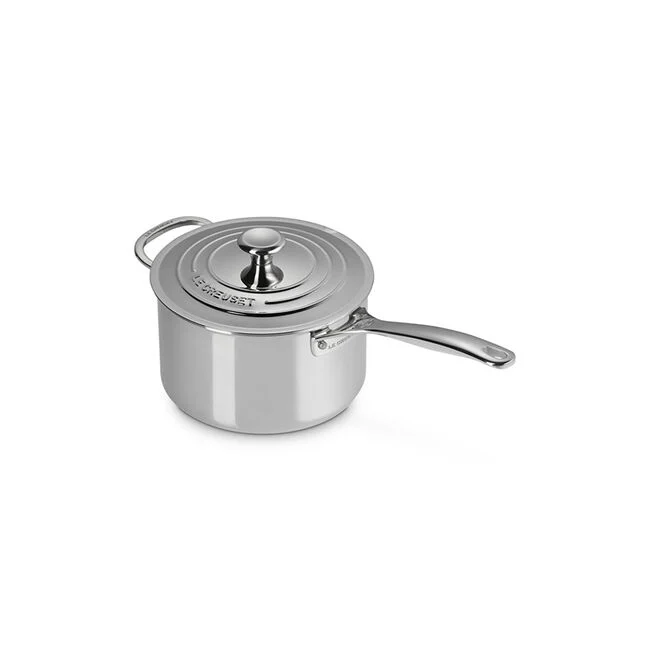
The Enduring Legacy: A Brief History and Evolution of Stainless Steel Saucepans
Stainless steel, as an alloy, emerged in the early 20th century, quickly gaining recognition for its resistance to rust and corrosion. It wasn’t long before its exceptional properties caught the eye of cookware manufacturers. Early stainless steel pans were often single-layered, durable but sometimes prone to uneven heating. The real game-changer came with the innovation of “clad” or “multi-ply” construction. This involved layering stainless steel with more conductive metals like aluminum or copper, creating a “sandwich” effect that drastically improved heat distribution. Today’s stainless steel saucepans are a testament to this evolution, offering sophisticated designs that marry robustness with superior cooking performance. This advancement transformed them from basic containers to precision cooking instruments.
Crafting Perfection: Understanding the Composition and Types of Stainless Steel Saucepans
At its heart, a high-quality stainless steel saucepan is an alloy, typically featuring 18% chromium and 10% nickel, often referred to as “18/10 stainless steel.” The chromium provides excellent rust resistance and a bright, appealing finish, while nickel adds a lustrous shine and enhanced durability. But the true magic often lies beneath the surface in its layered construction.
The Power of Layers: Cladding for Optimal Performance
Imagine your saucepan isn’t just one solid piece of metal, but rather a meticulously engineered sandwich of different materials. This is what “clad” cookware offers.
- Tri-Ply (3-Ply): This common construction features an aluminum or copper core sandwiched between two layers of stainless steel. The inner stainless steel provides a hygienic cooking surface, the core ensures excellent heat conduction, and the outer stainless steel makes it durable and compatible with various stovetops, including induction. Tri-ply pans are generally lighter and heat up faster.
- 5-Ply (Multi-Ply): Taking it a step further, 5-ply construction usually involves additional layers of aluminum or other conductive materials. These pans are typically heavier but excel at heat retention and distribution, making them less prone to warping and ideal for delicate temperature control. They hold heat more consistently, which is fantastic for slow simmers and sauces.
- Fully Clad vs. Sandwich Base: Some pans only have the layered construction in their base (“sandwich base”), while fully clad saucepans extend these layers all the way up the sides. Fully clad designs offer superior all-around heat control, ensuring your food cooks evenly, not just from the bottom.
Common Types and Features
Stainless steel saucepans come in various sizes and designs, each with features that enhance usability:
- Sizes: From small 1-quart saucepans perfect for melting butter or heating milk, to larger 4-quart (or more) pots ideal for simmering soups, reducing gravies, or cooking grains.
- Handles: Look for sturdy, riveted handles made from stainless steel, which stay cool on the stovetop and are oven-safe. Rivets ensure a secure attachment, unlike spot-welded handles that can become loose over time.
- Lids: Many come with tight-fitting lids, often made of tempered glass, allowing you to monitor your cooking without losing heat or moisture.
- Flared Rims: A subtly flared rim is a small but mighty feature, designed for drip-free pouring, preventing messy spills.
- Internal Measurement Markings: Some saucepans include markings on the interior, making it easy to measure liquids directly in the pot.
The Chef’s Choice: Advantages and Disadvantages of Stainless Steel Saucepans
Every tool has its strengths and weaknesses, and the stainless steel saucepan is no exception. Understanding these will help you maximize its potential in your kitchen.
Advantages
- Unmatched Durability: Stainless steel is incredibly robust, resistant to dents, scratches, and corrosion. With proper care, these saucepans can last for decades.
- Non-Reactive Nature: Unlike some metals (like cast iron or aluminum), stainless steel does not react with acidic foods such as tomatoes, lemon juice, or vinegar. This means your sauces and stews will always taste pure, without any metallic off-flavors or discoloration.
- Exceptional Searing and Browning: The surface of stainless steel, especially when properly preheated, is fantastic for achieving the Maillard reaction – that beautiful, flavorful browning on meats and vegetables that adds depth to your dishes.
- Versatile Heat Compatibility: Most quality stainless steel saucepans are compatible with all stovetop types, including gas, electric, ceramic, and induction. Many are also oven-safe, allowing you to seamlessly transition from stovetop to oven.
- Hygienic and Easy to Clean: Its smooth, non-porous surface prevents food particles from harboring bacteria, making it easy to clean and maintain a hygienic cooking environment.
Disadvantages
- Not Naturally Non-Stick: This is perhaps the most common misconception. Stainless steel is not inherently non-stick, and food can cling if not used correctly. It requires proper preheating and adequate oil to prevent sticking.
- Price Point: High-quality, fully clad stainless steel saucepans can be a significant investment compared to other cookware materials. However, their longevity often makes them cost-effective in the long run.
- Weight: Due to their multi-ply construction, these saucepans can be heavier than single-ply aluminum or non-stick alternatives, which might be a consideration for some users.
- Potential for Discoloration: Overheating can sometimes lead to blue or rainbow-colored stains on the interior, though these are usually cosmetic and can be removed.
Making the Smart Pick: A Guide to Choosing the Right Stainless Steel Saucepan
Choosing the perfect stainless steel saucepan involves a bit of informed decision-making. Here’s what to look for to ensure you invest in a quality piece that meets your cooking needs:
Consider Your Needs First
- Cooking Style: Do you mostly make sauces and soups, or do you also need a pan for simmering rice or reducing gravies?
- Hob Type: Ensure the saucepan is compatible with your stovetop, especially if you have an induction hob. Look for “induction compatible” in the product description.
- Budget: While quality stainless steel can be an investment, there are excellent options across various price points. Prioritize clad construction within your budget.
Key Quality Indicators
- Ply Construction: Always opt for at least tri-ply, but 5-ply or fully clad offers superior performance. This layering is the backbone of even heat distribution.
- Handle Attachment: Look for riveted handles, not spot-welded. Rivets mean a more secure, durable attachment that won’t loosen or break over time. Also, ensure the handles are comfortable to grip and stay cool on the stovetop.
- Weight and Balance: A good stainless steel saucepan should feel substantial in your hand, not flimsy. This indicates solid construction. Lift it and feel its balance; it shouldn’t feel top-heavy or awkward.
- Flat Base: Place the saucepan on a flat surface. It should sit perfectly flat without wobbling. A warped base can lead to uneven heating and instability on the hob.
- Flared Rims: As mentioned, flared rims are a practical feature for mess-free pouring.
- Brand Reputation: Established brands known for quality cookware often offer better warranties and consistent performance.
“Choosing the right stainless steel saucepan is like picking the perfect companion for your culinary adventures,” says Chef Liam O’Connell, a seasoned culinary instructor. “Focus on the construction – that multi-ply layering is non-negotiable for even heat – and don’t underestimate the comfort of a well-designed handle. These details make all the difference, transforming a simple pan into an extension of your craft.”
Mastering Your Stainless Steel Saucepan: Usage, Care, and Cleaning Tips
Using and caring for your stainless steel saucepan isn’t complicated, but a few simple techniques can ensure optimal performance and longevity.
Preheating Perfection: The Key to Non-Stick Cooking
The most crucial step to prevent food from sticking is proper preheating:
- Heat Slowly: Place your empty saucepan on medium-low heat. Let it heat for 2-3 minutes.
- The Water Bead Test: Add a few drops of water to the pan. If the water immediately sizzles and evaporates, it’s not hot enough. If the water forms small, mercury-like beads that dance and roll around the pan, it’s perfectly preheated.
- Add Oil: Pour your cooking oil into the preheated pan. Swirl it around to coat the bottom. The oil should shimmer, but not smoke.
- Add Food: Now you can add your ingredients. Food will sear beautifully and release much more easily.
Everyday Cleaning and Maintenance
- Cool Down First: Always allow your saucepan to cool completely before washing it or running cold water over it. Thermal shock can cause warping, especially in clad cookware.
- Gentle Cleaning: For everyday messes, hot, soapy water and a non-abrasive sponge are usually all you need. Scrub in a circular motion to maintain the finish.
- Immediate Drying: After washing, dry your saucepan immediately with a clean cloth. This prevents water spots and maintains its shine.
Tackling Tough Stains and Buildup
- Discoloration (Rainbow Stains): Those iridescent blue or rainbow stains are often caused by overheating or mineral deposits from water. Simply pour a splash of white vinegar into the pan, let it sit for a few minutes, then wipe with a soft sponge and rinse. For stubborn spots, you can boil a solution of one part white vinegar to three parts water.
- Burnt-On Food: Don’t reach for harsh scrubbers! For burnt-on food, fill the pan with water, add a few tablespoons of baking soda, and bring it to a simmer for 10-15 minutes. Let it cool, then most of the burnt residue should lift easily with a non-abrasive sponge. For very stubborn cases, some chefs recommend letting a mixture of water and powdered dishwasher detergent soak overnight.
- Stubborn Marks: For more ingrained stains, minor rust spots, or a general deep clean, a specialized stainless steel cleaner like Bar Keepers Friend (which contains oxalic acid) can work wonders. Follow the product instructions carefully.
- Avoid Abrasives: Steer clear of steel wool pads, abrasive cleaners, or bleach, as these can scratch the surface or damage the integrity of the stainless steel.
Stainless Steel vs. The Rest: A Comparative Look at Cookware Materials
With so many cookware materials available, it’s helpful to understand where stainless steel fits in, especially compared to popular alternatives.
- Vs. Nonstick: Nonstick pans are fantastic for delicate foods like eggs, pancakes, or fragile fish that tend to stick. They require less oil and make cleanup a breeze. However, their nonstick coating can degrade over time, limiting their lifespan and searing capabilities. Stainless steel, on the other hand, offers superior browning and durability, making it better for high-heat cooking and dishes where a fond (the delicious browned bits at the bottom of the pan) is desired.
- Vs. Cast Iron: Cast iron is revered for its incredible heat retention and ability to go from stovetop to oven seamlessly, perfect for searing steaks or baking cornbread. However, it’s heavy, requires meticulous seasoning to prevent rust and sticking, and can be reactive to acidic foods, potentially imparting a metallic taste. Stainless steel is lighter, non-reactive, and easier to maintain for everyday use.
- Vs. Copper: Copper cookware is stunning and an exceptional heat conductor, heating up and cooling down almost instantly, offering precise temperature control. However, it’s often expensive, requires special polishing to maintain its luster, and is reactive to acidic foods, usually requiring a tin or stainless steel lining. Stainless steel offers a more practical, durable, and affordable option for most home cooks, while still providing excellent performance with clad construction.
Culinary Creations: Ideal Dishes and Techniques for Your Stainless Steel Saucepan
Your stainless steel saucepan is incredibly versatile and excels at a wide array of cooking tasks:
- Sauces and Gravies: The even heating and non-reactive nature make it perfect for simmering delicate sauces, reducing pan juices into rich gravies, or creating complex curries without worrying about flavor contamination.
- Soups and Stews: From hearty stews to light broths, the saucepan’s ability to maintain a consistent simmer is invaluable.
- Grains and Pasta: Boiling water for pasta, cooking fluffy rice, quinoa, or other grains becomes a predictable task thanks to even heat distribution.
- Blanching and Steaming: Quickly blanch vegetables or use an insert to steam your favorite foods.
- Reducing Liquids: Achieve perfect reductions for glazes and syrups with controlled, consistent heat.
- Sautéing and Deglazing: Start with a quick sauté of aromatics or vegetables, then deglaze the pan with wine or stock to capture all those flavorful browned bits (the fond) from the bottom – a technique impossible with nonstick.
Frequently Asked Questions
Why does my stainless steel pan have rainbow stains?
These “rainbow stains,” or blue/brownish discoloration, are usually caused by overheating the pan or mineral deposits from hard water. They are typically harmless and cosmetic. You can usually remove them by wiping the pan with white vinegar or boiling a solution of water and vinegar in the pan.
Can I put my stainless steel saucepan in the dishwasher?
While many stainless steel saucepans are technically dishwasher-safe, hand-washing is often recommended to maintain their pristine finish and longevity. Harsh detergents and high temperatures in dishwashers can, over time, dull the shine or even cause the edges to become sharp, especially if they are not fully clad.
How do I prevent food from sticking to my stainless steel saucepan?
The key is proper preheating! Heat the empty pan over medium-low heat until water droplets dance and roll around the surface. Then add oil and allow it to heat slightly before adding your food. This creates a natural barrier that prevents sticking.
Is 3-ply or 5-ply better for a stainless steel saucepan?
Both 3-ply and 5-ply are excellent choices. 3-ply saucepans are typically lighter and heat up faster. 5-ply saucepans, with their additional layers, are heavier but offer superior heat retention and even distribution, making them less prone to warping and ideal for more precise temperature control. The “best” choice depends on your budget and cooking preferences.
Are all stainless steel saucepans induction compatible?
No, not all stainless steel saucepans are induction compatible. Induction hobs require cookware with a magnetic base. Most modern, high-quality clad stainless steel saucepans are designed to be induction compatible, but it’s always wise to check the product specifications or look for an “induction compatible” symbol. A simple test is to see if a magnet sticks to the bottom of the pan.
A Perfect Addition to Any Kitchen
The stainless steel saucepan is more than just a pot; it’s an investment in your culinary future. Its blend of durability, versatility, and the ability to achieve superior cooking results makes it an indispensable tool for any home cook. By understanding its construction, appreciating its strengths, and mastering a few simple usage and cleaning techniques, you’ll find yourself reaching for your stainless steel saucepan again and again. Embrace its robust nature, experiment with its capabilities, and unlock a world of delicious possibilities. With a quality stainless steel saucepan in your arsenal, you’re not just cooking; you’re crafting culinary excellence.