Every home cook, from the seasoned chef to the weekend warrior, knows the value of having the right tools in the kitchen. Among these, the Stainless Steel Milk Saucepan often flies under the radar, yet it’s an unsung hero capable of transforming simple tasks into culinary triumphs. More than just a vessel for warming your morning brew, this specialized piece of cookware is designed to tackle delicate liquids with grace, ensuring even heating and preventing those dreaded scorches and boil-overs. It’s an investment in efficiency and delicious results, making it an essential item in any well-equipped kitchen.
The Enduring Legacy of the Stainless Steel Milk Saucepan
Cookware has evolved dramatically over centuries, from rudimentary clay pots to sophisticated multi-clad designs. In this journey, stainless steel emerged as a game-changer, prized for its durability, hygiene, and versatility. Unlike its predecessors, which might rust, react with acidic foods, or be difficult to clean, stainless steel offered a robust, non-reactive surface that stood the test of time. This made it the ideal material for everyday kitchenware, and naturally, for the humble yet critical task of heating milk. The dedicated stainless steel milk saucepan became a staple, appreciated for its ability to handle delicate liquids without imparting flavors or succumbing to wear and tear.
Anatomy of Excellence: Understanding Your Stainless Steel Milk Saucepan
What truly sets a stainless steel milk saucepan apart from a regular saucepan? It’s all in the thoughtful design.
What Makes a Milk Saucepan Unique?
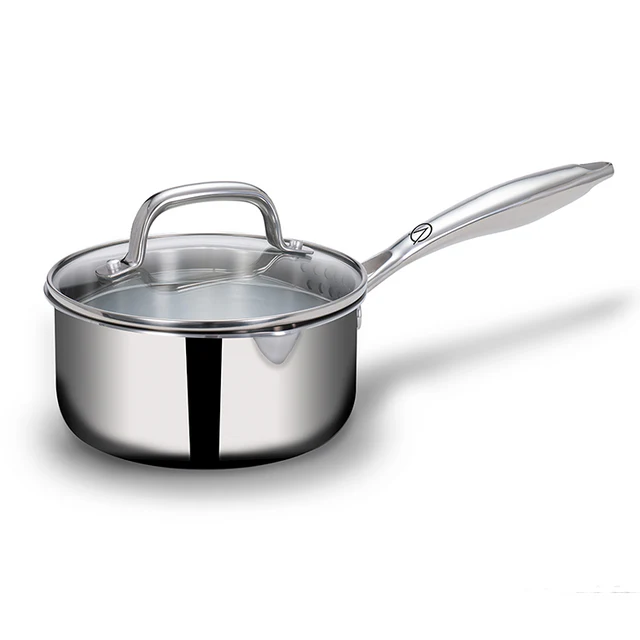
Typically, a milk saucepan features a wider base and lower, gently sloped sides compared to a standard pot. This design maximizes the surface area in contact with the heat source while also giving milk more room to expand, significantly reducing the chances of it boiling over. Crucially, most milk saucepans boast one or even two pouring spouts, making it incredibly easy to transfer hot milk or sauces without drips or spills, a small but mighty detail that elevates the user experience. Optimal capacities generally range from 1 to 2 liters, perfect for everyday needs.
The Power of Stainless Steel
When we talk about stainless steel in cookware, we’re usually referring to specific grades like 18/8 or 18/10. These numbers indicate the chromium and nickel content, respectively. Chromium provides corrosion resistance, while nickel adds shine and further rust protection. This composition makes the stainless steel milk saucepan not only resilient against rust and stains but also a food-safe choice that won’t leach harmful chemicals or react with your ingredients.
Tri-Ply and Encapsulated Bases
While solid stainless steel is good, the best stainless steel milk saucepans often feature advanced construction methods like tri-ply layering or an encapsulated base (sometimes called a sandwich base). This involves bonding a layer of aluminum or copper between two layers of stainless steel. Aluminum and copper are exceptional heat conductors, and sandwiching them within stainless steel ensures rapid and incredibly even heat distribution. This prevents hot spots that can scorch milk or sauces, providing superior cooking performance and making clean-up far easier.
Key Features to Look For
Beyond the material and construction, several features enhance the functionality of a stainless steel milk saucepan:
- Handles: Look for ergonomic, cool-touch handles that are securely riveted (not screwed) for durability. All-metal handles are a bonus if you plan to transfer the pan to the oven.
- Spouts: Single or double pouring spouts cater to both left and right-handed users, making pouring effortless.
- Lids: A well-fitting lid is invaluable for retaining heat when simmering or keeping contents warm.
- Induction Compatibility: Many modern stainless steel milk saucepans come with a magnetic base, ensuring they work efficiently on induction cooktops, along with gas and electric stoves.
Why Choose Stainless Steel for Your Milk & More: The Undeniable Advantages
The appeal of the stainless steel milk saucepan extends far beyond its primary function. Its inherent qualities make it a truly versatile and indispensable kitchen tool.
Durability and Longevity
Stainless steel is renowned for its robustness. It resists scratches, dents, and corrosion, meaning a high-quality stainless steel milk saucepan is designed to last for decades, often becoming a cherished heirloom. It stands up to daily use and rigorous cleaning without losing its integrity or aesthetic appeal.
Superior Heat Distribution
Thanks to its multi-clad or encapsulated base construction, a good stainless steel milk saucepan heats up quickly and distributes that heat uniformly across the base and up the sides. This precision is critical for delicate tasks like warming milk or crafting custards, preventing scorching and ensuring a perfectly smooth, consistent result every time.
Versatility Beyond Milk
Don’t let the name fool you. While ideal for milk, this saucepan is a true multitasker. It excels at melting butter or chocolate, preparing small batches of béchamel or gravy, simmering homemade sauces, reducing glazes, or even whisking up a creamy polenta. Its controlled heating makes it perfect for any task where gentle, even warmth is required.
Health and Safety First
One of the most significant advantages of stainless steel is its non-reactive nature. Unlike some other metals, it won’t interact with acidic foods, meaning your food tastes exactly as intended. Furthermore, premium stainless steel milk saucepans are free from the potentially harmful PFOA and PFAS chemicals found in some non-stick coatings, offering a healthier cooking option for your family.
Effortless Maintenance
Cleaning a stainless steel milk saucepan is remarkably straightforward. Its smooth, non-porous surface makes food release easy, and most are dishwasher safe. Even tough stains or burnt-on residues can be managed with simple household remedies, ensuring your pan always looks its best.
Navigating the Nuances: Potential Downsides and Considerations
While highly advantageous, it’s worth acknowledging a few points to ensure you make the most of your stainless steel milk saucepan.
Firstly, the robust construction, especially with tri-ply designs, can make these pans a bit heavier than those made from single-layer aluminum. This isn’t a significant issue for most, but it’s something to consider if you prefer very lightweight cookware.
Secondly, despite the improved design, milk can still boil over if left unattended or heated too aggressively. Even the best pan can’t replace mindful cooking! However, the deeper sides of a well-designed milk pan certainly minimize the risk compared to a standard, shallower saucepan.
Finally, while stainless steel is durable, it can sometimes develop discoloration (often a rainbow hue) if overheated, or water spots if not dried immediately after washing. Burnt-on milk can also be stubborn. These are cosmetic issues that are easily remedied with proper cleaning techniques, rather than functional flaws.
Your Essential Buying Guide: Picking the Perfect Stainless Steel Milk Saucepan
Choosing the right stainless steel milk saucepan means looking beyond the shine and understanding the features that truly matter.
- Size and Capacity: Consider your typical needs. A 1-liter (approximately 1-quart) pan is perfect for individual servings, while a 1.5-2 liter option offers more versatility for families or larger recipes.
- Construction Quality: Prioritize tri-ply or encapsulated base designs. They provide superior heat distribution and durability compared to single-layer stainless steel. “You want that aluminum or copper core for consistent heat,” advises Clara Beaumont, a culinary product specialist. “It makes all the difference when you’re simmering a delicate sauce.”
- Handle Design: Opt for a comfortable, sturdy handle that stays cool to the touch on the stovetop. Riveted handles offer greater security than welded ones. If oven use is a possibility, ensure the handle is oven-safe.
- Induction Ready: If you have or plan to get an induction cooktop, confirm that the saucepan has a magnetic base suitable for induction.
- Pouring Spouts and Lids: These seem like minor details, but a good pouring spout prevents messes, and a well-fitting lid is essential for simmering and keeping liquids warm.
Mastering the Art of Care: Using, Cleaning, and Maintaining Your Saucepan
To ensure your stainless steel milk saucepan serves you well for years, knowing how to use, clean, and maintain it effectively is key.
Pre-Cooking Pointers
Always start with a clean pan. For best results and to prevent sticking, allow your pan to preheat for a minute or two on medium heat before adding any liquids or oils. When salting liquids like pasta water, wait until the water is already boiling to prevent tiny pockmarks (pitting corrosion) on the pan’s surface.
Preventing the Dreaded Boil-Over
The generous depth of a well-designed milk pan helps, but vigilance is your best defense. Use medium to low heat when heating milk, stir occasionally, and never fill the pan to the brim. If you see the milk rising, immediately remove it from the heat or reduce the temperature.
Everyday Cleaning
For daily cleaning, simply wash your stainless steel milk saucepan with warm, soapy water and a non-abrasive sponge. Rinse thoroughly and, crucially, dry it immediately with a soft cloth to prevent unsightly water spots. Most stainless steel pans are also dishwasher safe, but hand-drying after a cycle will still yield the best results.
Tackling Tough Stains
- Burnt Milk: Don’t panic! For light burns, fill the pan with water, add a few tablespoons of baking soda, and bring to a gentle boil for 10-15 minutes. Let it cool, then scrub with a non-abrasive sponge. For more stubborn cases, a vinegar soak (covering the burnt area with white vinegar for an hour or two) followed by a baking soda scrub can work wonders.
- Discoloration (Rainbow Stains): This happens from overheating. A quick wipe with a cloth dampened with white vinegar will typically restore the pan’s luster.
- Stubborn Buildup: For truly persistent grime, a specialized stainless steel cleaner like Bar Keepers Friend can be highly effective. Apply a paste, rub gently in circular motions, and rinse thoroughly, but never leave it on for extended periods.
Longevity Secrets
Avoid sudden temperature changes, such as plunging a hot pan into cold water, as this can cause warping. Always let your stainless steel milk saucepan cool down naturally before washing. Store your pan carefully to prevent scratches; if stacking, place a cloth or paper towel between pans.
Stainless Steel vs. The Rest: A Comparative Look
While other materials have their place, the stainless steel milk saucepan often offers a superior balance for its specific tasks.
- Stainless Steel vs. Non-stick: Non-stick pans are great for eggs, but their coatings can degrade under high heat, potentially releasing chemicals and losing their non-stick properties over time, especially with liquids like milk that are prone to scorching at higher temperatures. Stainless steel, on the other hand, is durable, maintains its integrity, and can withstand higher heat without issue, making it a healthier, longer-lasting choice for milk and sauces.
- Other Materials (Cast Iron, Copper): Cast iron offers incredible heat retention, but it’s heavy, reactive with acidic foods, and requires specific seasoning and care. Copper heats rapidly and precisely but can also be reactive and typically requires a tin or stainless steel lining, adding to its cost and complexity. Stainless steel provides excellent thermal properties and versatility without these drawbacks, making it a more practical everyday choice for a milk saucepan.
Culinary Companionship: Ideal Dishes and Techniques
The stainless steel milk saucepan truly shines when preparing dishes that require careful temperature control and smooth consistency. Think about heating milk for your morning coffee, latte, or a comforting hot chocolate. It’s perfect for preparing creamy porridge or oatmeal without sticking. Beyond beverages, it’s indispensable for classic sauces like béchamel, delicate custards, rich gravies, and perfectly melted butter or chocolate for baking. Its ability to distribute heat evenly means you can confidently achieve smooth, lump-free results every time.
FAQ
Is stainless steel safe for boiling milk?
Absolutely. High-quality, food-grade stainless steel (like 18/8 or 18/10) is a non-reactive material, meaning it will not leach harmful chemicals into your milk or react with it, making it a perfectly safe choice for boiling and heating.
How do I prevent milk from burning in a stainless steel saucepan?
To prevent milk from burning, use a medium to low heat setting, stir the milk frequently, and ensure you’re using a pan with a thick, encapsulated base for even heat distribution. Never leave it unattended, especially as it approaches boiling point.
Can I use my stainless steel milk saucepan on an induction hob?
Yes, many modern stainless steel milk saucepans are designed with a magnetic base, making them fully compatible with induction cooktops. Always check the product specifications to confirm induction readiness before purchasing.
What’s the best way to clean burnt milk from a stainless steel pan?
For burnt milk, let the pan cool completely. Then, cover the bottom with water, add a few tablespoons of baking soda, and gently simmer for 10-15 minutes to loosen the residue. Let it cool again, then scrub with a non-abrasive sponge. For tougher spots, a white vinegar soak can also be effective.
Why does my stainless steel pan have rainbow stains?
Those rainbow or bluish stains, often called “heat tint,” are caused by overheating your stainless steel pan. They are harmless and purely cosmetic. You can typically remove them by wiping the pan with a cloth dampened with white vinegar.
Conclusion
The stainless steel milk saucepan is far more than just a niche kitchen gadget; it’s a testament to thoughtful design meeting practical needs. Its robust construction, exceptional heat distribution, versatile applications, and ease of maintenance make it an invaluable asset for any culinary endeavor involving delicate liquids. By understanding its features, choosing a quality piece, and applying simple care routines, you unlock a world of perfect sauces, warmed beverages, and seamless cooking experiences. Embrace the enduring appeal and functionality of this kitchen hero, and elevate your everyday cooking to a new standard of perfection.