Ever walked into a kitchen and felt a certain calm, a sense of readiness for culinary adventures? Often, that feeling stems from the presence of reliable, versatile tools. Among them, the Small Stainless Steel Saucepan stands out as an unsung hero, quietly underpinning countless meals. From perfectly melted butter to a quick ramen fix, this compact powerhouse is more than just a pot; it’s an essential companion for cooks of all levels. If you’ve been wondering why this little wonder deserves a prime spot in your culinary arsenal, you’re in the right place.
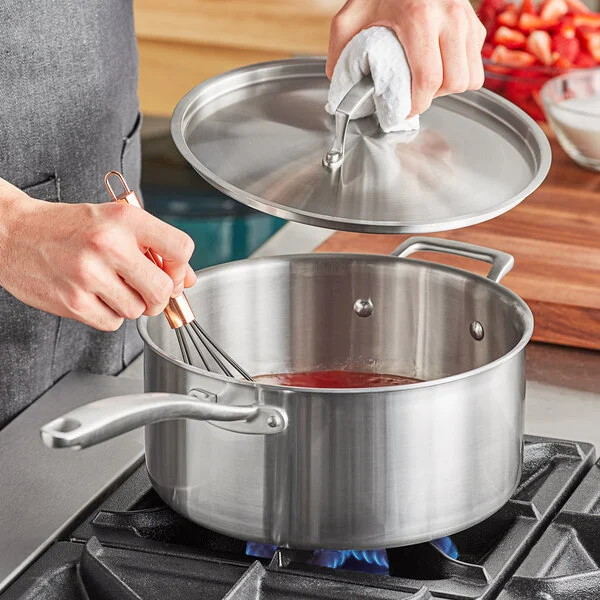
The Unsung Hero: A Brief History of Stainless Steel Cookware
While the art of cooking spans millennia, stainless steel as a material for cookware is a relatively modern innovation. It truly came into its own in the early 20th century, offering a remarkable combination of durability, hygiene, and non-reactivity that other metals simply couldn’t match. Before stainless steel, cast iron, copper, and aluminum dominated kitchens, each with its own set of pros and cons. The arrival of stainless steel revolutionized cookware, providing a sturdy, rust-resistant, and aesthetically pleasing option. Smaller saucepans naturally followed, adapting this robust material to the everyday needs of single servings, side dishes, and delicate sauces.
What Makes a Small Stainless Steel Saucepan Tick? Understanding Its Construction
A quality small stainless steel saucepan isn’t just a hunk of metal; it’s a marvel of engineering designed for optimal cooking. Most premium stainless steel saucepans feature a multi-ply construction, often referred to as “tri-ply” or “5-ply.” This means layers of different metals are bonded together. Typically, an outer layer of magnetic stainless steel allows for induction compatibility, followed by a core of aluminum or copper for superior heat conductivity and even heat distribution, and finally, an inner cooking surface of high-grade, non-reactive stainless steel.
- 18/8 or 18/10 Stainless Steel: This refers to the percentage of chromium and nickel in the alloy. 18/8 contains 18% chromium and 8% nickel, while 18/10 has 18% chromium and 10% nickel. Both are food-grade, highly corrosion-resistant, and won’t leach metals into your food, even with acidic ingredients.
- Encapsulated Base vs. Fully Clad: An encapsulated base means only the bottom has the multi-ply layers, while fully clad means the layers extend all the way up the sides. Fully clad designs offer superior heat distribution and typically come with a higher price tag. For a small saucepan, an encapsulated base is often sufficient for most tasks.
- Handle Design: Look for sturdy, riveted handles that stay cool to the touch on the stovetop. Ergonomic designs enhance comfort and safety.
- Lids: Tempered glass lids allow you to monitor cooking without lifting, while solid stainless steel lids offer better heat retention. Both are good choices depending on your preference.
The Good, The Bad, and The Shiny: Pros and Cons of a Small Stainless Steel Saucepan
Every piece of cookware has its strengths and weaknesses, and the small stainless steel saucepan is no exception. Understanding these can help you wield it like a pro.
Advantages: Why You’ll Love It
- Durability and Longevity: Stainless steel is incredibly tough. It resists dents, scratches, and corrosion, meaning your small saucepan can literally last a lifetime with proper care.
- Non-Reactive: Unlike aluminum or cast iron, stainless steel won’t react with acidic foods like tomato sauce or vinegar. This means no metallic taste in your food and no risk of leaching harmful substances.
- Easy to Clean: Its smooth, non-porous surface makes cleaning a breeze. Most stains wipe away easily, and many are dishwasher safe (though handwashing is often recommended for longevity).
- Versatility: This little pot can handle a surprising range of tasks: boiling eggs, heating soup, making gravies, simmering sauces, melting chocolate, or preparing baby food.
- Induction Compatible: Many stainless steel saucepans have a magnetic base, making them suitable for induction cooktops, which are increasingly popular.
- Aesthetically Pleasing: Stainless steel has a classic, professional look that fits into any kitchen decor.
Disadvantages: What to Watch Out For
- Potential for Sticking: Without a non-stick coating, foods can stick if the pan isn’t properly preheated or if too low fat is used. This requires learning a few techniques.
- Uneven Heating (with poor quality pans): If the saucepan isn’t well-constructed with a good conductive core, it can develop hot spots, leading to uneven cooking.
- No Natural Non-Stick: It requires more attention than a non-stick pan to prevent food from adhering, especially for delicate items.
- Heavier than Aluminum: While not excessively heavy, a well-built multi-ply stainless steel saucepan will have more heft than a similar aluminum pan.
Picking Your Perfect Pot: A Buyer’s Guide for Small Stainless Steel Saucepan
Choosing the right small stainless steel saucepan can feel overwhelming with so many options. Here’s a quick checklist to guide you:
- Size Matters: What are you primarily using it for? A 0.5-quart (0.5L) is great for melting butter or heating milk, while a 1.5-quart (1.5L) or 2-quart (2L) is more versatile for sauces, grains, or individual portions of soup.
- Construction Quality: Aim for multi-ply (tri-ply or more) construction, especially for the base. This ensures even heating and prevents scorching.
- Induction Compatibility: If you have or plan to get an induction cooktop, ensure the pan is induction-ready (check for the coil symbol or “induction compatible” in the description).
- Handle Comfort and Durability: A riveted, stay-cool handle is crucial for safety and ease of use. Test the balance if possible.
- Lid Type: Do you prefer a transparent glass lid for visibility or a solid stainless steel lid for better heat retention?
- Brand Reputation: While not the only factor, reputable brands often indicate better quality control and customer service.
- Budget: Stainless steel saucepans range widely in price. Invest in the best quality you can afford, as it’s a long-term investment.
Keeping It Shiny: How to Use, Care For, and Clean Your Small Stainless Steel Saucepan Effectively
To ensure your small stainless steel saucepan remains a staple in your kitchen for years, a little care goes a long way.
Usage Tips:
- Preheat Properly: For best results and to prevent sticking, preheat your saucepan over medium heat for a minute or two before adding oil or food. Water droplets should dance and evaporate quickly.
- Use the Right Heat: Stainless steel retains heat well. You often don’t need high heat for most tasks. Medium heat is usually sufficient.
- Deglazing: After cooking, if there are browned bits (fond) on the bottom, add a liquid (wine, broth, water) while the pan is still hot to loosen them. This “deglazing” not only cleans the pan but also creates a flavorful sauce.
Cleaning and Care:
- Cool Down: Always let your hot saucepan cool down before washing. Thermal shock can warp the metal.
- Handwash Recommended: While many are dishwasher safe, handwashing with warm, soapy water and a soft sponge is gentler and prolongs the pan’s life and shine.
- Tackle Stains:
- Burned Food: For stubborn burnt-on food, fill the saucepan with water, add a few drops of dish soap, and simmer gently for 10-15 minutes. The residue should loosen.
- Rainbow Stains (Heat Tint): These harmless discoloration marks are caused by minerals in water reacting to heat. A solution of white vinegar (1 part) and water (3 parts) brought to a boil, or a sprinkle of Barkeeper’s Friend, will easily remove them.
- Stuck Food: Avoid harsh abrasive scrubbers that can scratch the surface. Use a non-scratch pad or a specialized stainless steel cleaner.
- Salt Pitting: Adding salt to cold water in a stainless steel pot can cause tiny pits over time. Always add salt once the water is boiling.
“A truly well-made small stainless steel saucepan isn’t just about cooking; it’s about confidence in the kitchen,” says Chef Anya Sharma, a culinary instructor with two decades of experience. “Its reliability for everyday tasks, from the simplest sauce to reheating leftovers, makes it indispensable. It’s a workhorse you can trust.”
Saucepan Showdown: Small Stainless Steel vs. Other Materials
How does our favorite small stainless steel saucepan stack up against other contenders in the cookware arena?
- Cast Iron: Excellent heat retention, great for searing, but heavy, requires seasoning, and can react with acidic foods. Not ideal for delicate sauces.
- Non-stick (PFOA-free): Fantastic for eggs and delicate foods, easy cleanup. However, coatings can scratch and wear out over time, and they generally can’t withstand very high heat.
- Copper: Superb heat conductivity and responsiveness, beautiful. But expensive, requires regular polishing, and can be reactive.
- Ceramic/Enamel: Non-reactive, often colorful, can be non-stick (but less durable than traditional non-stick). Can chip if dropped.
- Aluminum: Lightweight, good heat conductor, inexpensive. But can react with acidic foods, can dent easily, and usually not induction compatible unless anodized or with a stainless steel base.
For everyday versatility, durability, and non-reactivity in a smaller size, the small stainless steel saucepan often hits the sweet spot, outperforming many specialized alternatives for general tasks.
Small Pot, Big Flavors: Ideal Dishes & Techniques for Your Saucepan
The beauty of a small stainless steel saucepan lies in its versatility. Here are some dishes and techniques where it truly shines:
- Melting and Warming: Perfect for melting butter, chocolate, cheese, or warming milk for hot cocoa.
- Sauces and Gravies: From béchamel to hollandaise, its even heating helps prevent scorching. Ideal for reducing pan drippings into a flavorful gravy.
- Boiling Eggs: Just the right size for 2-4 eggs, ensuring quick and even cooking.
- Heating Soups and Stews: Great for single servings or small batches of your favorite comfort food.
- Cooking Grains: Small portions of rice, quinoa, or couscous can be perfectly cooked.
- Preparing Baby Food: A hygienic and safe option for preparing small, fresh portions.
- Simmering Syrups: Crafting simple syrups for cocktails or glazes for pastries is effortless.
Frequently Asked Questions About Small Stainless Steel Saucepan
Q1: Is a small stainless steel saucepan safe for all types of food?
A1: Yes, absolutely! High-quality stainless steel (like 18/8 or 18/10) is non-reactive and won’t leach chemicals or metallic tastes into your food, even when cooking acidic ingredients such as tomato sauces or vinegar-based gravies. This makes it one of the safest cookware materials available.
Q2: How do I prevent food from sticking in my small stainless steel saucepan?
A2: The key is proper preheating. Heat the pan over medium heat for 1-2 minutes until a drop of water dances on the surface and evaporates. Then add oil, let it shimmer, and finally add your food. This creates a natural barrier and helps prevent sticking.
Q3: Can I put my stainless steel saucepan in the dishwasher?
A3: Most small stainless steel saucepans are dishwasher safe. However, handwashing is generally recommended to maintain their shine and prolong their lifespan, especially for multi-clad designs where harsh detergents can sometimes dull the exterior over time.
Q4: What causes rainbow stains on stainless steel and how do I remove them?
A4: Rainbow stains, also known as heat tint, are caused by minerals in tap water reacting to high heat. They are harmless and easy to remove. Simply boil a solution of 1 part white vinegar to 3 parts water in the saucepan, or use a specialized stainless steel cleaner like Barkeeper’s Friend.
Q5: Is a small stainless steel saucepan good for induction cooktops?
A5: Many modern small stainless steel saucepans are designed with a magnetic base, making them perfectly suitable for induction cooktops. Always check for the induction compatibility symbol (a coil) or description when purchasing.
The Perfect Blend of Practicality and Performance
In a world filled with specialized gadgets and single-purpose tools, the small stainless steel saucepan stands as a testament to practical, enduring design. Its robust construction, non-reactive surface, and incredible versatility make it an indispensable asset in any kitchen. Whether you’re a seasoned chef or just starting your culinary journey, investing in a high-quality small stainless steel saucepan means investing in reliability, performance, and countless delicious moments. It’s more than just cookware; it’s the quiet foundation for your daily culinary triumphs. Embrace this kitchen essential and experience the difference it makes.