Ah, the deep stainless steel saucepan – it’s like that reliable friend in your kitchen who’s always there for you, no matter the culinary challenge. Forget the flashy gadgets; this unassuming pot is a workhorse, a versatile hero that can elevate your everyday cooking and tackle ambitious recipes with equal grace. If you’ve ever wondered how professional chefs manage to whip up such delectable sauces or perfectly simmered stews, chances are a well-chosen deep stainless steel saucepan is a key player in their arsenal.
This isn’t just any pot; it’s designed with purpose, offering a blend of durability, performance, and ease of use that makes it a cornerstone for both budding home cooks and seasoned culinary artists. Let’s dive deep into what makes this kitchen essential so indispensable, ensuring you understand its true value and how it can transform your cooking experience.
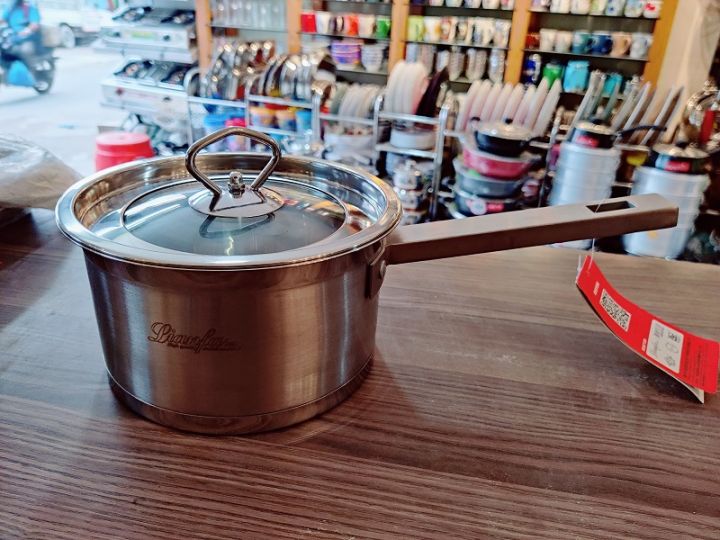
The Anatomy of a Deep Stainless Steel Saucepan
When we talk about a deep stainless steel saucepan, we’re picturing a pot that’s typically round with noticeably high, straight sides and a solid flat base. This design isn’t just for looks; it’s fundamentally what gives it its incredible versatility. The depth allows for generous liquid capacity, crucial for simmering soups or boiling pasta without worrying about overflow, while the straight sides help in minimizing evaporation, ideal for reducing sauces to perfection.
You’ll usually find these culinary companions in sizes ranging from a modest 1 quart for a quick single serving of oatmeal to a more substantial 4 quarts, perfect for a family-sized batch of stew or a hearty homemade broth. Many home cooks find a 2.5-quart or 3.5-quart deep stainless steel saucepan to be the sweet spot, offering enough capacity for most daily cooking tasks. Beyond the basic shape, a key identifier is its long, sturdy handle, designed for safe and easy maneuverability, even when the pot is full and hot. A tight-fitting lid is another hallmark, locking in moisture and heat to ensure even cooking and faster results.
Why Stainless Steel Shines: Unpacking the Benefits
Choosing a deep stainless steel saucepan brings a wealth of advantages to your kitchen. It’s not just a material; it’s a commitment to quality and convenience.
Durability and Longevity
Let’s face it, nobody wants cookware that warps, scratches, or corrodes after just a few uses. This is where a deep stainless steel saucepan truly excels. Made from a robust alloy, often 18/10 stainless steel (signifying 18% chromium and 10% nickel), these pots are built to withstand the rigors of daily cooking. They resist dents, scratches, and stains, maintaining their sleek, polished appearance for years. Investing in a high-grade stainless steel saucepan is truly a long-term investment, often lasting decades.
Non-Reactive Nature
Have you ever cooked a tomato sauce in a lesser quality pot only to find it tasted a bit metallic? That’s the reactivity of certain metals at play. One of the standout benefits of stainless steel is its non-reactive surface. This means it won’t leach harmful chemicals into your food or react with acidic ingredients like tomatoes, citrus, or wine. You can trust that your dishes will taste exactly as intended, preserving their pure flavors and vibrant colors. Plus, it’s reassuring to know you’re cooking with a material free from “forever chemicals” (PFAS), prioritizing your family’s health and well-being.
Effortless Maintenance
Life’s busy enough without having to coddle your cookware. Deep stainless steel saucepans are famously easy to clean. Their smooth, non-porous surface rarely holds onto food residue, making cleanup a breeze. Most are dishwasher safe, though a quick hand wash with warm, soapy water is often all it takes to keep them sparkling. Even if you encounter stubborn burnt-on bits, stainless steel can usually be restored to its original gleam with a little elbow grease and the right cleaning products, unlike coated pans that might be permanently damaged.
Exceptional Heat Performance
While stainless steel alone isn’t the best conductor of heat, modern deep stainless steel saucepans overcome this with clever engineering. The secret lies in “cladding” or “multi-ply” construction. High-quality pans feature layers of more conductive metals, such as aluminum or copper, sandwiched between sheets of stainless steel. You’ll often see them described as “3-ply” or even “5-ply.” This multi-layered design ensures rapid and remarkably even heat distribution across the entire base and even up the sides of the pan. This eliminates troublesome “hot spots” that can lead to unevenly cooked or burnt food, providing precise control for everything from delicate custards to hearty stews. Look for cladding that extends up the sides for superior all-around heat control, not just a “sandwich base” at the bottom.
Versatility in the Kitchen
A deep stainless steel saucepan is a true multi-tasker. Its robust construction and excellent heat properties mean it transitions seamlessly from one cooking task to the next. Need to boil water for pasta? Check. Simmer a rich marinara sauce? Absolutely. Prepare a creamy risotto or delicate custard? It’s got you covered. Many high-quality deep stainless steel saucepans are also oven-safe, allowing you to start a dish on the stovetop and finish it in the oven for perfect results. And for those with induction cooktops, ensure your chosen pan boasts “induction-compatible” cladding for optimal performance.
Beyond Sauces: Versatile Uses of Your Deep Stainless Steel Pot
While “saucepan” might hint at its primary role, the deep stainless steel variety is capable of so much more.
Soups and Stews: The Heart of Home Cooking
This is where a deep stainless steel saucepan truly shines. Its ample capacity and superior heat retention make it ideal for simmering soups and stews for extended periods. The even heat distribution gently coaxes out flavors from ingredients, ensuring a rich, well-developed broth without scorching the bottom. From a simple chicken noodle soup to a complex beef bourguignon, this pan is your best friend.
Grains and Pasta: Perfect Every Time
Boiling pasta, cooking rice, quinoa, or other grains requires consistent heat and enough space to prevent sticking. A deep stainless steel saucepan provides just that. Its tall sides prevent boil-overs, and the even heat ensures your grains cook uniformly for fluffy, separate results.
Deep Frying and Braising: Handling Higher Volumes
For small-batch deep frying, like crispy onion rings or homemade donuts, the depth of this saucepan is invaluable, allowing you to immerse food fully in oil while minimizing splatters. It’s also excellent for small-batch braising, providing the necessary depth to cover ingredients in liquid and allow them to tenderize slowly.
Delicate Creations: Custards and Reductions
When making delicate dishes like custards, puddings, or reducing sauces, precision is key. The consistent and gentle heating offered by a good deep stainless steel saucepan helps prevent curdling or burning, ensuring smooth, luxurious textures and perfectly concentrated flavors.
Your Guide to Choosing the Perfect Deep Stainless Steel Saucepan
Ready to bring this kitchen hero home? Here are the key considerations to ensure you pick a pan that will serve you well for years to come.
Size Matters: Matching Capacity to Your Culinary Needs
Saucepans come in a range of sizes, typically measured in quarts (or liters). For single servings or small tasks, a 1.5-quart might suffice. A 2.5-quart is often considered the most versatile, handling everything from a family-sized portion of oatmeal to a small batch of soup. If you frequently cook for larger families or prepare bigger batches of sauces and stews, a 3.5-quart or even 4-quart deep stainless steel saucepan will be more appropriate. Think about your typical cooking habits before deciding.
Material and Construction: Understanding 18/10 Grade and Ply
As discussed, look for “18/10 stainless steel.” This indicates a high-quality alloy that offers excellent durability and corrosion resistance. Equally important is the construction: seek out “clad” cookware. This means layers of aluminum or copper are bonded between stainless steel layers. The more “ply” (e.g., 3-ply or 5-ply), the better the heat distribution and retention, as these conductive layers extend up the sides, not just the base. Avoid cheaper options with merely a bolted-on induction plate; true quality means the induction-compatible layer is integrated into the cladding.
Handles, Lids, and Ergonomics: Safety and Convenience
A sturdy, securely attached handle is paramount for safety. Look for handles that are welded or riveted, not just screwed on, and ideally, they should be designed to stay cool to the touch during stovetop cooking. For larger deep saucepans, a “helper handle” on the opposite side can be incredibly useful for lifting and pouring. A tight-fitting lid, preferably made of glass so you can monitor your food, is also essential for retaining heat and moisture. Some lids even feature straining holes and pour spouts for added convenience.
Induction Compatibility and Oven-Safety: Modern Kitchen Essentials
If you have an induction cooktop, ensure your deep stainless steel saucepan is explicitly labeled “induction compatible.” For maximum versatility, especially if you enjoy recipes that require a quick transfer from stovetop to oven, check for oven-safe ratings. Many high-quality stainless steel pans can handle high oven temperatures without an issue.
Budget vs. Investment: Quality Pays Off in the Long Run
High-quality, multi-ply clad stainless steel saucepans can be a significant upfront investment, often costing upwards of $100 for a single pan. However, consider this an investment in your kitchen. These pans are built to last for decades, providing consistent performance and resisting the need for frequent replacement. While more budget-friendly options exist, they may not offer the same level of heat distribution, durability, or longevity.
Keeping Your Deep Stainless Steel Saucepan Pristine: Care and Maintenance
Even though deep stainless steel saucepans are remarkably durable, a little care goes a long way in ensuring they remain a joy to cook with for a lifetime.
Daily Cleaning Rituals: Best Practices for Longevity
For everyday cleaning, warm, soapy water and a soft sponge are usually all you need. Avoid abrasive cleaners, steel wool, or harsh brushes, as these can scratch the beautiful finish. While many stainless steel saucepans are technically dishwasher safe, handwashing is often recommended. Harsh dishwasher detergents can sometimes cause discoloration or damage the aluminum layers, especially where they might be slightly exposed in clad cookware. After washing, immediately and thoroughly dry your saucepan with a microfiber cloth to prevent unsightly water spots.
Avoiding Common Pitfalls: Scratches, Pitting, and Discoloration
To keep your pan looking its best, avoid using metal utensils directly in the pan, as they can scratch the surface. If you plan to stack your saucepans for storage, place a pan protector, dish towel, or trivet between them to prevent scratches. One common issue specific to stainless steel is “pitting” – small divots that can form if salt is added to a cold pan or to water before it’s boiling. Always wait until your pan is hot or the water is boiling before adding salt to prevent this aesthetic, albeit harmless, issue. Also, try to avoid extreme temperature changes, like plunging a hot pan into cold water, as this can cause warping over time.
Storage Solutions: Protecting Your Investment
Since stainless steel is rust and corrosion-resistant, storage isn’t overly complicated. Simply ensure your pans are thoroughly dry before storing to prevent water spots. If you’re short on space and need to stack, remember those pan protectors to keep the surfaces pristine.
Deep Stainless Steel Saucepan vs. The Competition
In the vast world of cookware, the deep stainless steel saucepan holds its own against many contenders, each with its unique strengths and weaknesses.
Stainless Steel vs. Non-stick: Searing Power vs. Easy Release
Non-stick pans excel at easy food release, making them perfect for delicate items like eggs, pancakes, or low-fat cooking. However, a deep stainless steel saucepan is the undisputed champion for achieving that perfect golden sear, delicious browning, and rich caramelization, thanks to its ability to handle higher heat. Non-stick coatings can also degrade over time, release chemicals if overheated, and are more susceptible to scratching, whereas stainless steel offers unparalleled durability and safety.
Stainless Steel vs. Cast Iron, Copper, and Aluminum: Reactivity and Conductivity
Cast iron is renowned for its heat retention and even cooking, but it’s heavy, reactive with acidic foods, and requires specific seasoning and care. Copper offers superior heat conductivity, heating up incredibly fast, but it’s expensive, reactive, requires polishing, and isn’t induction compatible. Aluminum is a good conductor but is also reactive with acidic foods and can raise health concerns for some. The deep stainless steel saucepan, especially in its clad form, strikes a remarkable balance, offering good heat distribution, non-reactivity, and easy maintenance without the drawbacks of these other materials. Even ceramic cookware, while safe and easy to clean for medium-low heat, often can’t match stainless steel’s high-heat performance.
Saucepan vs. Other Cookware: Understanding Their Unique Roles
While they might seem similar, a deep stainless steel saucepan has a distinct role compared to other pots and pans. A saucier, for instance, has rounded sides that make whisking and stirring a breeze for delicate sauces. Frying pans boast wider bases and shallow sides, perfect for searing and sautéing. Large stockpots are designed for huge volumes of liquid, like making bone broth or large batches of soup. Dutch ovens, with their heavy build and tight lids, are champions for slow cooking and braising. Each piece has its purpose, but the deep stainless steel saucepan is uniquely positioned for its high-sided versatility across countless simmering, boiling, and reducing tasks.
Expert Insight: Chef Antoine Dubois on Stainless Steel Cookware
“As a chef, I rely on my deep stainless steel saucepans almost daily,” shares Chef Antoine Dubois, a culinary consultant with over two decades of experience. “Their consistent heat, durability, and non-reactive nature mean I can trust them with anything from a delicate reduction to a robust stew. They are truly the unsung heroes of a well-equipped kitchen, allowing me to focus on flavor without worrying about my tools.”
FAQs about Deep Stainless Steel Saucepans
Q: Can I use my deep stainless steel saucepan on an induction stovetop?
A: Absolutely! Most modern, high-quality deep stainless steel saucepans are designed to be induction compatible. Look for the induction symbol (a coiled wire icon) on the packaging or base of the pan, and ideally, choose clad cookware where the induction layer is built into the material for the best performance.
Q: How do I prevent food from sticking in a stainless steel saucepan?
A: The key is proper preheating and adequate oil. Heat your deep stainless steel saucepan over medium heat for a minute or two until a drop of water dances and evaporates quickly. Then, add your cooking oil and let it heat up before adding food. This creates a natural non-stick barrier and helps achieve a beautiful sear without sticking.
Q: Is 18/10 stainless steel safe for cooking?
A: Yes, 18/10 stainless steel is considered one of the safest and most premium materials for cookware. The numbers refer to the percentages of chromium and nickel, which enhance its corrosion resistance and durability. It is non-reactive, meaning it won’t leach chemicals or alter the taste of your food.
Q: What does “ply” mean in stainless steel cookware?
A: “Ply” refers to the number of layers of metal bonded together to form the cookware. For instance, “3-ply” means three layers (often stainless steel, aluminum, stainless steel). More ply, like “5-ply,” generally indicates better heat distribution and retention, as the highly conductive layers extend further up the sides of the pan.
Q: How do I remove stubborn stains from my stainless steel saucepan?
A: For tough stains or discoloration, common household remedies like baking soda paste or a vinegar soak can work wonders. For more stubborn burnt-on food, specialty stainless steel cleaners like Bar Keepers Friend are highly effective. Always follow the product instructions and rinse thoroughly.
The Final Stir: Embracing the Deep Stainless Steel Saucepan
From its robust construction and non-reactive surface to its incredible versatility and superior heat performance, the deep stainless steel saucepan is truly an indispensable tool in any kitchen. It’s a foundational piece that empowers you to tackle everything from everyday meals to gourmet creations with confidence and ease. By understanding its benefits and how to choose and care for it, you’re not just buying a pot; you’re investing in a lifetime of culinary possibilities. So go ahead, embrace the power of the deep stainless steel saucepan, and watch as your cooking reaches new heights.