Stepping into a well-equipped kitchen, you’ll often find one type of cookware consistently gracing the stovetops of both seasoned chefs and enthusiastic home cooks: the trusty stainless steel saucepan set. It’s more than just a collection of pots and pans; it’s an investment in culinary versatility and enduring performance. If you’re looking to elevate your cooking game, understanding what makes the Best Stainless Steel Saucepan Set is your first ingredient for success.
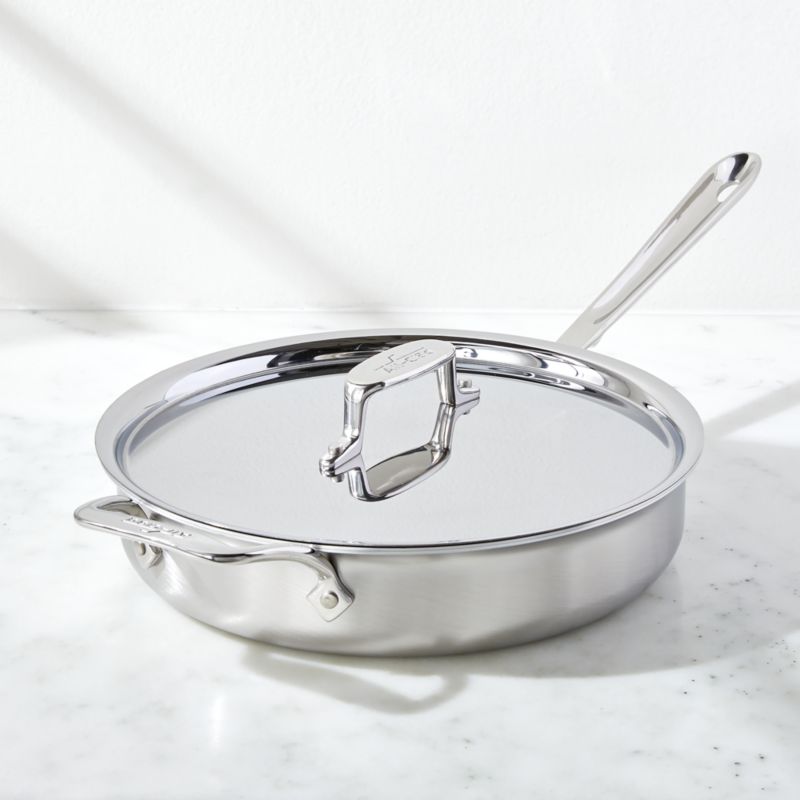
The Enduring Legacy of Stainless Steel Cookware
The journey of stainless steel cookware in our kitchens is a fascinating one, rooted in the early 20th century when the alloy itself was developed. Its inherent properties—resistance to corrosion and rust, coupled with strength—quickly made it an ideal material for kitchen tools. Early versions were often single-ply, struggling with uneven heating. However, innovation led to multi-ply construction, dramatically improving heat distribution and solidifying stainless steel’s place as a kitchen essential. This evolution, transforming a basic metal into a high-performance cooking companion, has paved the way for the sophisticated and reliable stainless steel saucepan sets we cherish today.
Decoding Stainless Steel Saucepan Set Construction and Types
When you’re searching for the best stainless steel saucepan set, understanding its construction is paramount. The magic often lies in what’s between the layers of stainless steel.
At its heart, quality stainless steel cookware employs a “clad” construction. This means layers of different metals are bonded together to harness their individual strengths.
- Tri-Ply (Three-Ply): This is the most common high-quality construction. It features an aluminum or copper core sandwiched between two layers of stainless steel. The inner stainless steel provides a durable, non-reactive cooking surface, while the outer layer ensures compatibility with various stovetops, including induction. The core, typically aluminum, is a superb heat conductor, ensuring even heating across the pan’s bottom and sides.
- Five-Ply or Multi-Ply: For even more robust performance and superior heat control, some premium sets use five or more layers. These often alternate stainless steel with multiple layers of aluminum or even copper, creating an exceptionally responsive and evenly heating vessel. This advanced construction significantly minimizes hot spots, making delicate sauces a breeze.
Different sets are designed for various needs. You’ll find starter sets with essential pieces, comprehensive professional-grade sets, and specialized induction-compatible options. The choice depends on your cooking habits and kitchen setup.
The Ups and Downs of Cooking with Stainless Steel Saucepan Sets
Like any good kitchen tool, stainless steel saucepan sets come with their own set of advantages and a few things to keep in mind.
Advantages:
- Unmatched Durability: Stainless steel is incredibly tough, resisting dents, scratches, and warping. With proper care, a high-quality stainless steel saucepan set can truly last a lifetime, even becoming an heirloom.
- Even Heat Distribution: Thanks to their multi-ply construction with aluminum or copper cores, these saucepans distribute heat efficiently and uniformly, preventing hot spots that can scorch food. This means your sauces will simmer consistently, and your ingredients will cook evenly.
- Non-Reactive Surface: Unlike aluminum or cast iron, stainless steel does not react with acidic ingredients like tomatoes or wine. This means your food’s flavor remains pure and untainted, and you don’t have to worry about metallic tastes or potential leaching.
- Exceptional Versatility: A stainless steel saucepan set is a workhorse in the kitchen. It’s perfect for a wide range of tasks—from boiling pasta and simmering delicate sauces to searing meats and reducing gravies. Many pieces are also oven-safe, expanding your cooking possibilities.
- Hygienic and Easy to Clean: The non-porous surface of stainless steel resists bacteria buildup, making it one of the most hygienic cookware options. While food can stick if not used correctly, cleaning is generally straightforward, often requiring just warm soapy water.
- Aesthetic Appeal: With their sleek, polished or brushed finish, stainless steel saucepan sets add a professional and elegant touch to any kitchen decor.
Disadvantages:
- Food Can Stick: This is perhaps the most common complaint. Without a non-stick coating, food can adhere to the surface if the pan isn’t properly preheated or if insufficient oil is used. However, with the right technique, this is easily overcome.
- Weight: Multi-ply stainless steel cookware can be heavier than single-ply aluminum or non-stick options, especially larger pieces in a comprehensive best stainless steel saucepan set.
- Potential for Discoloration: High heat can sometimes cause a rainbow-like discoloration (heat tint) on the stainless steel surface. While purely cosmetic and not affecting performance, it can be a minor annoyance. This is often easily remedied with specialized cleaners.
- Price: High-quality, multi-ply stainless steel saucepan sets can be a significant investment compared to more basic cookware materials. However, their longevity often justifies the upfront cost.
Choosing the Perfect Stainless Steel Saucepan Set for Your Kitchen Needs
Selecting the best stainless steel saucepan set involves a few key considerations to ensure it meets your culinary demands.
- Quality of Stainless Steel: Look for sets made from 18/10 stainless steel. The “18” refers to 18% chromium, which provides rust resistance and durability, and the “10” refers to 10% nickel, enhancing corrosion resistance and giving it that lustrous shine. This grade ensures longevity and a non-reactive cooking surface.
- Construction Matters (Multi-Ply is Key): As discussed, prioritize multi-ply construction (tri-ply or 5-ply) over single-ply. This layering is crucial for superior heat distribution and overall cooking performance. A robust core of aluminum or copper makes a significant difference.
- Handles and Lids:
- Handles: Opt for riveted handles, as they offer the most secure attachment and won’t loosen over time. Ergonomic designs and “stay-cool” handles (often hollow or designed to dissipate heat) are definite bonuses for comfort and safety.
- Lids: Look for well-fitting lids that seal tightly to retain heat and moisture. Stainless steel lids are durable, while glass lids offer visibility, letting you monitor your cooking without lifting.
- Set Composition: Consider what pieces you actually need. A standard saucepan set might include 1.5-quart, 2-quart, and 3-quart saucepans with lids. Assess your cooking habits: do you make a lot of sauces, soups, or grains? Ensure the set’s configuration aligns with your typical meal preparation.
- Induction Compatibility: If you have or plan to get an induction cooktop, ensure the set explicitly states it is induction-compatible. Stainless steel on its own isn’t always magnetic; it requires a magnetic base, often part of the multi-ply construction.
- Oven Safety: Check the maximum oven temperature rating of the cookware and its lids. Many stainless steel sets are oven-safe up to 500°F (260°C) or higher, making them incredibly versatile for finishing dishes.
- Budget: Stainless steel saucepan sets range widely in price. While premium brands often offer superior construction and performance, excellent value options exist that deliver impressive results without breaking the bank. Invest in the best quality you can comfortably afford, as it’s a long-term purchase.
Effective Use, Care, and Cleaning for Your Stainless Steel Saucepan Set
Getting the most out of your best stainless steel saucepan set and ensuring its longevity involves a few simple, yet crucial, practices.
- Preheating is Your Best Friend: Always preheat your empty saucepan over medium heat for a minute or two before adding oil. This allows the metal to expand slightly, creating a more uniform cooking surface and significantly reducing sticking. A quick test: sprinkle a few drops of water; if they bead up and “dance,” it’s ready for oil.
- Choose the Right Utensils: Stainless steel is quite resilient, allowing you to use a variety of utensils including wood, silicone, and even metal, without fear of scratching or damaging non-stick coatings.
- Everyday Cleaning: For regular messes, warm soapy water and a soft sponge are usually all you need. Wash your saucepans after each use to prevent food residue from hardening.
- Tackling Stuck-on Food and Discoloration: For more stubborn food residue, soak the pan in warm, soapy water for 15-30 minutes. A baking soda paste or a dedicated stainless steel cleaner like Bar Keepers Friend works wonders for tougher stains or the rainbow-like “heat tint.”
- Cool Down Before Cleaning: Avoid plunging a hot saucepan into cold water, as this can cause thermal shock and potentially warp the metal, leading to an uneven bottom. Always let your cookware cool completely before washing.
- Dry Immediately: To prevent unsightly water spots and maintain that brilliant shine, dry your stainless steel saucepans immediately after washing.
- Smart Storage: When stacking your saucepans, consider using pan protectors or a soft cloth between them to prevent scratches and dings, especially if your best stainless steel saucepan set includes heavier pieces.
Stainless Steel Saucepan Sets vs. Other Cookware Materials
Understanding how stainless steel stacks up against other popular cookware materials can help solidify your choice for the best stainless steel saucepan set.
- Vs. Cast Iron: Cast iron offers incredible heat retention and develops a natural non-stick seasoning over time. However, it’s significantly heavier, requires more specific seasoning and maintenance, and is reactive to acidic foods. Stainless steel is lighter, non-reactive, and generally easier to maintain.
- Vs. Non-Stick: Non-stick cookware excels at releasing food with minimal oil, making it great for delicate items like eggs. However, non-stick coatings can scratch, degrade over time, and typically have lower heat thresholds. Stainless steel, while needing proper technique for non-stick results, is far more durable, can withstand higher temperatures, and offers superior searing capabilities.
- Vs. Copper: Copper is an exceptional heat conductor, offering precise temperature control and a beautiful aesthetic. However, it’s expensive, requires significant maintenance (polishing to prevent tarnishing), and is reactive, often requiring a stainless steel or tin lining. Stainless steel offers excellent performance at a more accessible price point and with far less upkeep.
Ideal Dishes and Cooking Techniques for Your Stainless Steel Saucepan Set
The versatility of a stainless steel saucepan set makes it indispensable for a multitude of culinary tasks.
- Perfect for Sauces: The even heating and non-reactive nature of stainless steel are ideal for creating delicate sauces, reductions, and gravies. You can confidently simmer tomato-based sauces or deglaze a pan with wine without worrying about metallic flavors.
- Searing and Browning: Stainless steel develops a beautiful fond (the browned bits at the bottom of the pan) when searing meats or vegetables, which is crucial for building deep flavors when deglazing.
- Boiling and Simmering: From cooking pasta and potatoes to preparing soups and stews, the excellent heat distribution ensures even boiling and simmering without scorching.
- Braising and Roasting: Many stainless steel saucepans are oven-safe, allowing you to seamlessly transition from stovetop searing to oven braising or roasting.
- Rice and Grains: With proper heat control and a tight-fitting lid, stainless steel saucepans can perfectly cook rice, quinoa, and other grains.
Expert Advice on Elevating Your Stainless Steel Cooking
“Don’t be intimidated by stainless steel,” advises culinary expert Chef Julian Dubois. “The key is patience and practice. Always allow your pan to preheat thoroughly before adding oil and then your ingredients. This simple step unlocks its full potential, ensuring even cooking and reducing sticking. Once you master this, your best stainless steel saucepan set will become your most reliable partner in the kitchen.”
Frequently Asked Questions (FAQ)
Q: Is stainless steel cookware safe?
A: Yes, high-quality stainless steel cookware, particularly those made with 18/10 food-grade stainless steel, is considered very safe for cooking. It is non-reactive, meaning it won’t leach harmful chemicals or flavors into your food, unlike some other materials.
Q: Are stainless steel saucepans induction compatible?
A: Many modern stainless steel saucepan sets are indeed induction compatible. To check, look for a symbol of a coiled wire or the phrase “induction compatible” on the product description. The base must be magnetic for it to work on an induction cooktop.
Q: How do you prevent food from sticking to stainless steel?
A: The best way to prevent food from sticking is to properly preheat the pan over medium heat before adding oil. Once the pan is hot (water beads and dances), add your oil, let it heat briefly, then add your food. Avoid overcrowding the pan, as this can lower the temperature and cause sticking.
Q: What’s the best way to clean burnt food from stainless steel?
A: For stubborn burnt-on food, let the pan cool, then fill it with warm, soapy water and let it soak for an hour or more. For extra tough spots, you can make a paste with baking soda and a little water, apply it to the affected area, let it sit, then scrub gently. Bar Keepers Friend is also highly effective.
Q: What does 18/10 stainless steel mean?
A: 18/10 refers to the composition of the stainless steel alloy. It means the steel contains 18% chromium and 10% nickel. This combination makes the cookware highly resistant to rust and corrosion, durable, and gives it a bright, polished finish, making it a hallmark of quality in the best stainless steel saucepan set.
Conclusion
Investing in the best stainless steel saucepan set is more than just buying cookware; it’s acquiring a foundation for countless delicious meals and a cornerstone of your culinary journey. With its unparalleled durability, superior heat distribution, and hygienic properties, a quality stainless steel set offers professional-grade performance that stands the test of time. By understanding its construction, embracing proper use and care, and recognizing its incredible versatility, you’ll find that your stainless steel saucepan set quickly becomes an irreplaceable and cherished part of your kitchen, empowering you to cook with confidence and creativity for years to come.