Stepping into the kitchen, you might often find yourself reaching for that one reliable pot that can handle almost anything. For many home cooks, that trusty companion is the 4 Quart Stainless Steel Saucepan. It’s a true kitchen staple, offering a fantastic blend of capacity, durability, and versatility. This guide is your deep dive into understanding, choosing, and mastering this essential piece of cookware, ensuring you make the most of your culinary adventures.
The Enduring Legacy: A Brief History of Stainless Steel Cookware
The journey of stainless steel in our kitchens began in the early 20th century. Before its widespread adoption, cast iron, copper, and aluminum dominated. However, these materials often presented challenges like reactivity with acidic foods, heavy weight, or specific maintenance needs. Stainless steel, discovered to be resistant to rust and corrosion due to its chromium content, offered a compelling alternative. Its non-reactive nature meant food’s flavor remained pure, and its inherent durability promised longevity. Over the decades, innovations like multi-ply cladding, combining stainless steel with highly conductive metals like aluminum or copper, further enhanced its performance, making it the go-to choice for discerning cooks worldwide. The 4 quart stainless steel saucepan embodies this evolution, bringing professional-grade performance to everyday cooking.
Understanding Your 4 Quart Stainless Steel Saucepan
At first glance, a saucepan might seem straightforward, but there’s a world of engineering and design behind its functionality, especially for a 4 quart stainless steel saucepan.
Structure and Common Types
Most high-quality stainless steel saucepans today utilize a “clad” construction. This means layers of different metals are bonded together to create the pan’s body, maximizing the best properties of each material.
- Tri-Ply Construction: This is the most common and excellent choice. It features a core of aluminum (a superb heat conductor) sandwiched between two layers of stainless steel. The outer stainless steel provides durability and induction compatibility, while the inner layer offers a non-reactive cooking surface.
- 5-Ply Construction: Some premium models feature additional layers, often alternating stainless steel and aluminum (or sometimes copper). This generally results in even better heat distribution and retention, though it can make the pan heavier and more expensive.
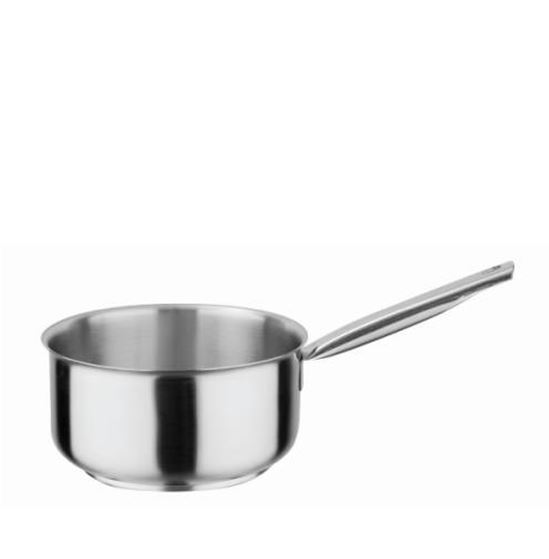
A 4 quart stainless steel saucepan typically has tall, straight sides and a flat bottom, perfect for handling liquids and preventing boil-overs. You’ll find options with sturdy, ergonomically designed handles, often featuring a helper handle on the opposite side for easier lifting when full. Lids come in both stainless steel (for optimal heat retention) and tempered glass (allowing you to monitor cooking without lifting). Many also boast flared rims for drip-free pouring and internal measurement markings for convenience.
The Versatility of a 4 Quart Saucepan
The 4-quart size hits a sweet spot, making it incredibly versatile for families or for preparing larger batches for individuals. It’s the size that truly makes everyday cooking a breeze.
- Boiling and Blanching: From a pound of pasta to a dozen hard-boiled eggs or blanching fresh vegetables, its ample capacity is ideal.
- Soups and Stews: Perfect for simmering hearty chicken noodle soup, a rich lentil stew, or a comforting batch of chili for several servings.
- Sauces and Gravies: The tall sides minimize splatters, making it excellent for simmering marinara, crafting a delicate béchamel, or reducing pan sauces.
- Grains: Cooking rice, quinoa, or other grains to fluffy perfection is effortless with consistent heat.
- One-Pot Meals: Its generous size accommodates ingredients for many delightful one-pot recipes, simplifying dinner and cleanup.
- Making Stocks and Broths: It’s an excellent choice for preparing smaller batches of homemade chicken or vegetable stock.
Advantages and Disadvantages of Stainless Steel Saucepans
Every piece of cookware has its quirks. Understanding the pros and cons of your 4 quart stainless steel saucepan helps you use it to its full potential.
The Shining Advantages
- Durability and Longevity: Stainless steel is incredibly robust, resistant to rust, corrosion, scratching, and warping. With proper care, a good quality saucepan can last for decades.
- Non-Reactivity: Unlike aluminum or cast iron, stainless steel does not react with acidic ingredients like tomatoes or lemon juice, preserving the true flavor and color of your food.
- Even Heat Distribution (with Cladding): Thanks to its aluminum or copper core, clad stainless steel ensures heat spreads evenly across the bottom and up the sides, preventing hot spots and scorched food.
- Oven and Broiler Safe: Most stainless steel saucepans can go directly from stovetop to oven, making them perfect for finishing dishes or keeping food warm.
- Induction Cooktop Compatibility: The magnetic properties of stainless steel make it suitable for all stovetop types, including induction.
- Easy Maintenance: Its smooth, non-porous surface is generally easy to clean, and it won’t absorb odors or flavors.
- Aesthetic Appeal: Stainless steel offers a sleek, professional look that fits beautifully in any kitchen.
The Few Disadvantages
- Not Naturally Non-Stick: Without a non-stick coating, delicate foods like eggs or fish can stick if the pan isn’t properly preheated and oiled.
- Weight: Due to the layered construction, a 4 quart stainless steel saucepan can be heavier than single-ply aluminum, especially when full.
- Potential for Heat Tint: Overheating an empty pan can sometimes cause a blue or rainbow-colored discoloration (heat tint), though this is cosmetic and can often be cleaned.
- Cost: High-quality, multi-ply stainless steel can be a significant investment compared to other materials.
Choosing Your Perfect 4 Quart Stainless Steel Saucepan
When you’re ready to invest in a 4 quart stainless steel saucepan, consider these factors to find the one that fits your cooking style.
Key Features to Look For
- Cladding: Aim for at least tri-ply construction for optimal heat distribution. Five-ply offers even better performance but comes at a higher price.
- Handles: Look for sturdy, riveted handles that stay cool on the stovetop. A helper handle is a huge bonus for a 4-quart pan, making it easier to lift and pour. “A well-designed handle makes all the difference when you’re moving a full, hot saucepan,” advises Chef Anya Sharma, a culinary instructor and cookware expert.
- Lid: A tight-fitting lid is crucial for simmering and retaining moisture. Glass lids are convenient for monitoring, while stainless steel lids offer maximum durability.
- Flared Rims: These are incredibly useful for drip-free pouring, keeping your countertops cleaner.
- Measurement Markings: Interior markings can save you time and extra measuring cups.
Budget vs. Investment
While you can find budget-friendly options, remember that quality often correlates with performance and longevity. Investing in a reputable brand with multi-ply construction for your 4 quart stainless steel saucepan will likely provide better heat management and a more durable product in the long run. Mid-range options like Tramontina often offer excellent value, while premium brands like All-Clad or Zwilling deliver top-tier performance.
Compatibility
Ensure the saucepan’s base is flat and magnetic if you use an induction cooktop. Most quality stainless steel options are induction compatible.
Mastering Your 4 Quart Stainless Steel Saucepan
With a little know-how, your saucepan will become an indispensable tool.
Cooking Techniques
- Preheating is Key: Always preheat your pan on low to medium heat before adding oil or food. This helps prevent sticking. A good test is to flick a few drops of water into the hot pan; if they bead up and skitter across the surface, it’s ready.
- Use Proper Heat: Stainless steel conducts heat efficiently. You rarely need to use high heat, except for boiling water. Medium or medium-low heat is often sufficient for most tasks.
- Add Oil to a Hot Pan: Once preheated, add your fat (oil or butter). This creates a barrier that helps prevent food from sticking.
Care, Cleaning, and Maintenance
Keeping your 4 quart stainless steel saucepan in pristine condition is simpler than you might think.
- Daily Cleaning: After each use, allow the pan to cool completely. Wash with warm, soapy water and a non-abrasive sponge. Dry immediately to prevent water spots.
- Tackling Burnt-On Food: For stubborn, stuck-on bits, add enough water to cover the bottom of the pan, bring it to a boil, and gently scrape with a wooden spoon. For really tough messes, sprinkle baking soda, add a little water to form a paste, let it sit for a few hours or overnight, then scrub.
- Removing Rainbow Stains (Heat Tint): These are common from overheating. Simply wipe the affected area with white vinegar or a paste of baking soda and water.
- Avoid Harsh Abrasives: Steel wool or abrasive cleaners can scratch the surface. Stick to non-abrasive sponges and cleaners like Bar Keepers Friend for deeper cleaning and restoring shine.
Comparing Stainless Steel with Other Cookware Materials
While a 4 quart stainless steel saucepan is a superstar, it’s helpful to see where it fits in the broader cookware landscape.
- Versus Cast Iron: Cast iron offers superior heat retention and natural non-stick properties when seasoned, ideal for searing. However, it’s much heavier, slower to heat, and reactive with acidic foods. Stainless steel provides quicker, more even heating and non-reactivity.
- Versus Non-Stick: Non-stick pans are fantastic for delicate foods like eggs and pancakes, making cleanup effortless. However, their coatings can degrade over time and typically can’t withstand high heat or metal utensils. Stainless steel, while requiring more technique to prevent sticking, is far more durable and versatile for high-heat cooking.
- Versus Copper: Copper is an exceptional heat conductor, offering precise temperature control. However, it’s very expensive, reactive, and requires meticulous maintenance to prevent tarnishing. Stainless steel, especially clad, offers comparable performance for everyday use without the high cost and upkeep.
In essence, the 4 quart stainless steel saucepan offers a balanced solution, bringing the best of many worlds into one hardworking pot.
Expert Insight
“The 4 quart stainless steel saucepan is a fundamental tool for any home cook, from beginners to seasoned chefs,” says culinary expert Marcus Chen. “Its balanced size means it’s neither too small for family meals nor too large for daily tasks. The key to truly appreciating it lies in understanding its thermal properties, especially with clad construction, which allows for incredible control and consistency in cooking. It’s built to last, making it a sustainable choice for your kitchen.”
Frequently Asked Questions about 4 Quart Stainless Steel Saucepans
1. What makes a 4 quart stainless steel saucepan a good investment?
A 4 quart stainless steel saucepan is an excellent investment due to its perfect size for family meals, durable and non-reactive material, excellent heat distribution when clad, and compatibility with all stovetops, including induction.
2. Can I really cook anything in a 4 quart stainless steel saucepan?
While it’s incredibly versatile for sauces, soups, grains, pasta, and boiling, delicate foods like eggs or fish might require more oil and careful heat management to prevent sticking compared to a non-stick pan.
3. How do I prevent food from sticking to my stainless steel saucepan?
Always preheat your 4 quart stainless steel saucepan on medium heat, then add oil or fat before adding food. The “water test” (water droplets skittering) indicates the perfect temperature for adding oil.
4. Is stainless steel cookware safe for health?
Yes, stainless steel is considered one of the safest cookware materials. It’s non-reactive, meaning it won’t leach chemicals or alter the taste of your food.
5. What’s the difference between tri-ply and 5-ply stainless steel?
Both refer to layered construction. Tri-ply typically has an aluminum core between two stainless steel layers. 5-ply includes additional layers, often for enhanced heat distribution and retention, making the pan slightly heavier and usually more expensive.
6. My saucepan has rainbow stains. What are they and how do I remove them?
These are “heat tints” caused by overheating. They are harmless and can be removed by wiping the pan with a solution of white vinegar or a paste of baking soda and water.
7. Can I put my stainless steel saucepan in the dishwasher?
While many stainless steel saucepans are dishwasher safe, hand washing is often recommended to maintain their luster and prevent potential pitting over time. Always check the manufacturer’s instructions.
Embrace the Perfection of the 4 Quart Stainless Steel Saucepan
The 4 quart stainless steel saucepan is more than just a pot; it’s a testament to timeless design and practical functionality in the kitchen. Its robust construction, coupled with its generous size, makes it an indispensable tool for a vast array of cooking tasks, from simmering a rich sauce to boiling pasta for the family. Choosing a high-quality model is an investment that pays dividends through years of reliable performance. So, go ahead, explore the culinary possibilities, and let your 4 quart stainless steel saucepan become the hero of your kitchen.